Bible Blueprint of Prophecy and Archaeology
|
|
Bible Blueprint Decalogue Curriculum 150 pages, 8.5 x 11, full color or digital |

Evidence from Prophecy

I. Evidence from Prophecy:
1. All messianic prophecies fall into three categories:
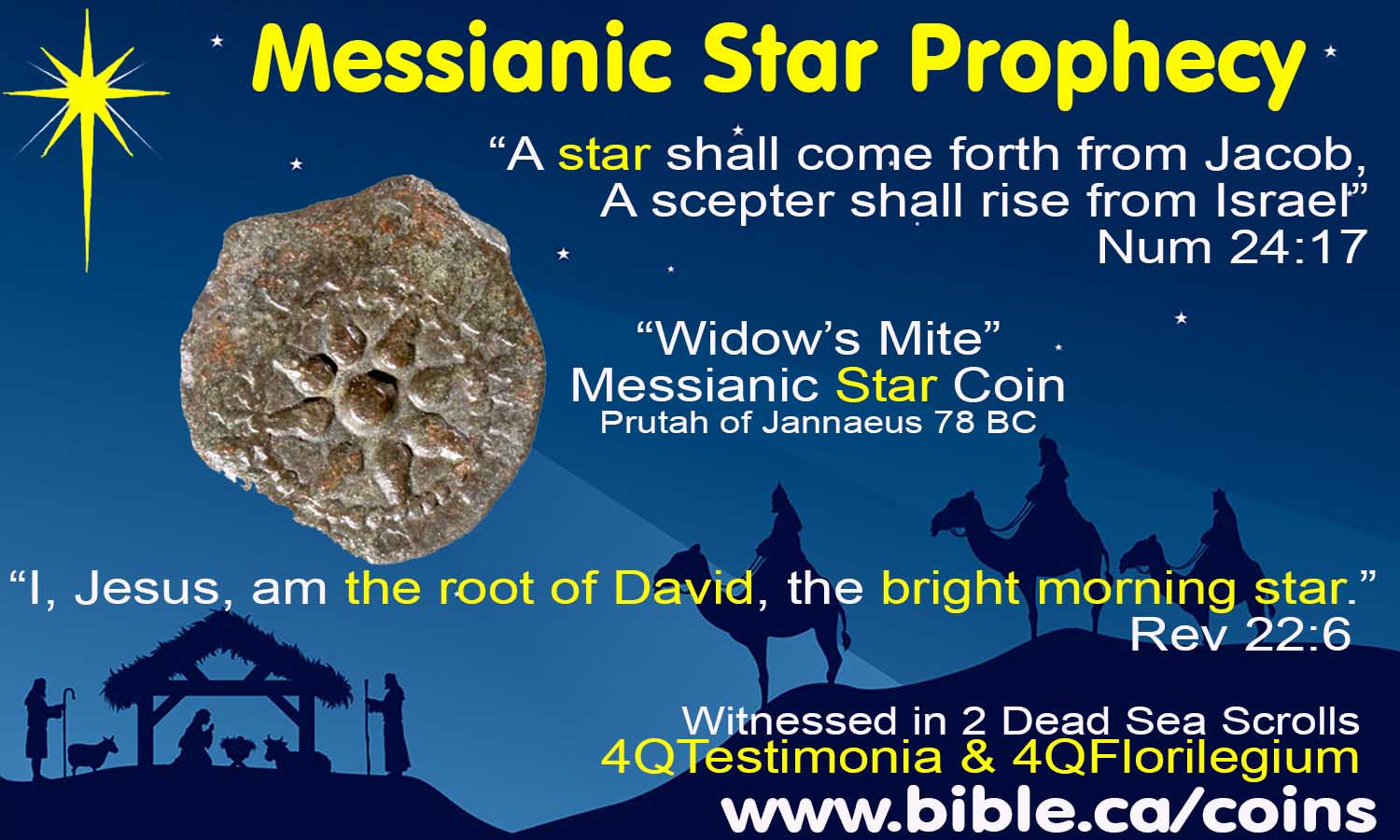
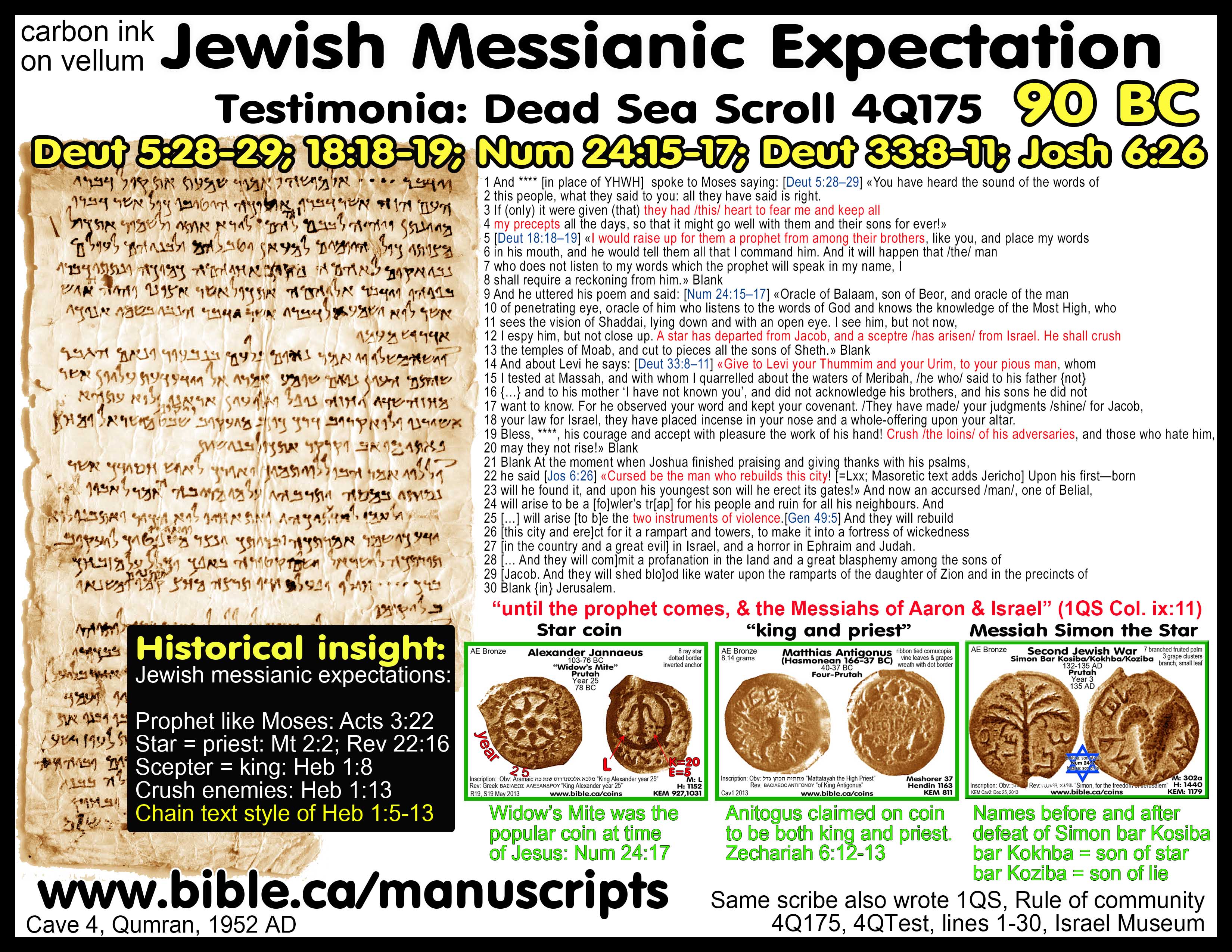
a. Category 1 examples: Daniel 2 & 9 & Numbers 24:17: Texts that were universally recognized as predicting a single, clearly defined future messianic event at the time they were written. These texts can be used a proof that the Bible is inspired. Daniel 2:44 is an “event prophecy” of five kingdoms that predicts that the church will be established as the 5th kingdom during the days of the 4th kingdom of Rome. Daniel 9:24 is a “time prophecy” of the arrival of the Messiah that predicts 490 years from Ezra 7 (458 BC) to the resurrection of Christ on the 5 April AD 33. The time prophecy is exactly 490 solar years to the day. Balaam’s rising “star” messianic prophecy was reflected on the first century “widow’s mite” coin (Mark 12:41–44) as an 8-pointed star (Num 24:17).
b. Category 2 examples: 2 Sam 7:12-16 & Isa 7:10-16+ 8:1-4; Isa 53: Texts that were prophetic of a specific event that was fulfilled shortly thereafter but later understood to be a dual prophecy fulfilled in Jesus. One example is 2 Samuel 7:13 which predicted that the son of David would build the temple, which was first fulfilled by Solomon, then later by Christ (Acts 2:30–31). Isaiah 7:16 predicted two “dreaded” kings will die, (Rezin, Pekah) before Isaiah’s own son named Emmanuel is weaned (Isa 8:1-4). Herod was dreaded because he slaughtered the children and he died before Jesus was weaned in Egypt, being born of the virgin Mary. (Mt 1:18–25) Isaiah 53 was immediately fulfilled in Isaiah, then all prophets, Jesus, Paul, and all Christians in a 5 fold fulfillment.
c. Category 3 examples: Matthew 2:15 & 12:38-42 & John 3:14: Texts that nobody understood to be messianic prophecies until after they were identified in the New Testament as prophecies of Jesus. Taken by themselves, there is no indication they were prophetic in any way. These texts prove God’s foreknowledge, who caused two historical events centuries apart to mirror and echo one another. The first event is based upon well-established history making the typology fulfilled in Christ obvious. Matthew 2:15 identified God calling Israel out of Egypt in 1446 BC during the Exodus as a messianic prophecy that was fulfilled when Joseph brought Jesus out of Egypt in 1 BC after Herod died. In John 3:14, Jesus identified the snake Moses put on the pole as a prophecy of his crucifixion. In Matthew 12:38, Jesus identified Jonah as a prophecy of his death, burial and resurrection.
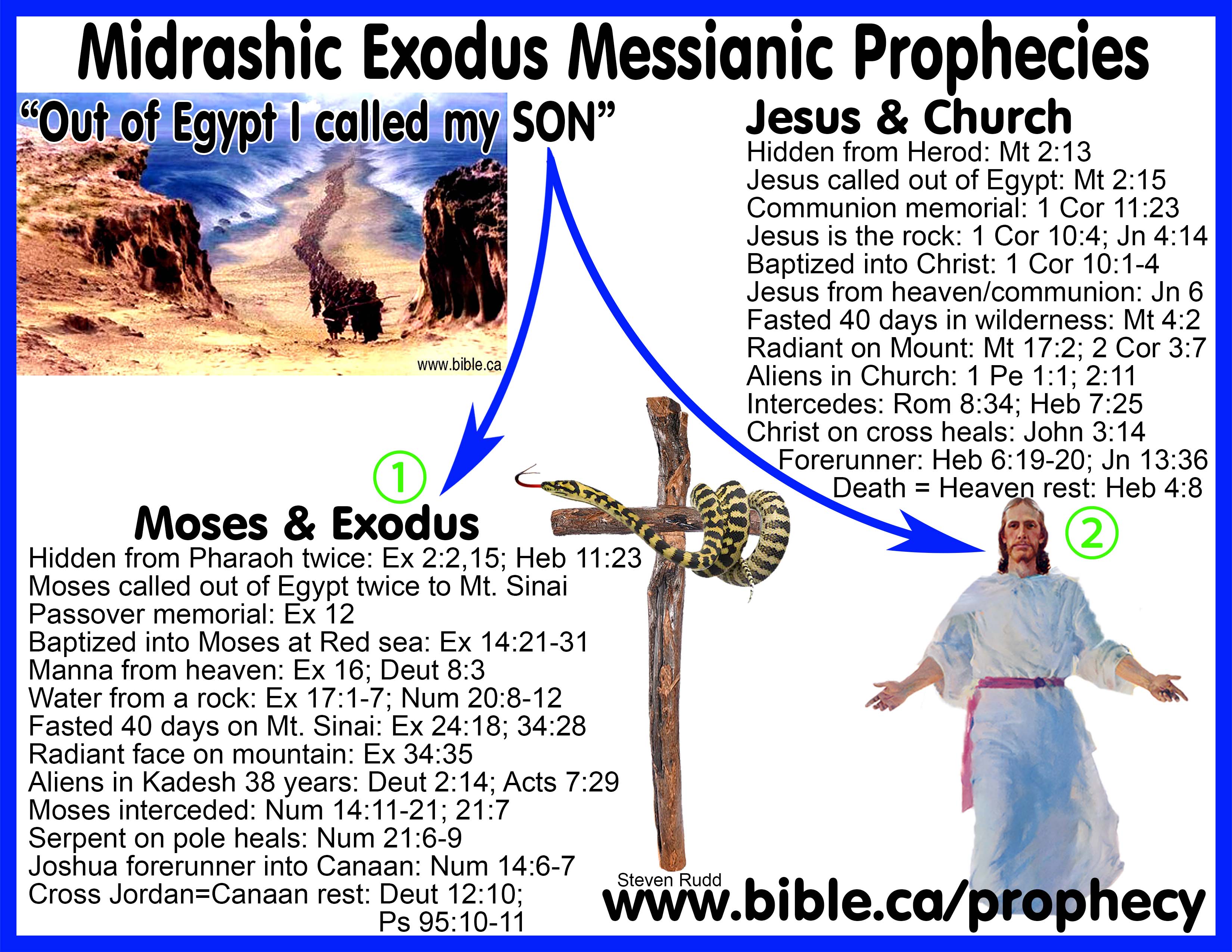
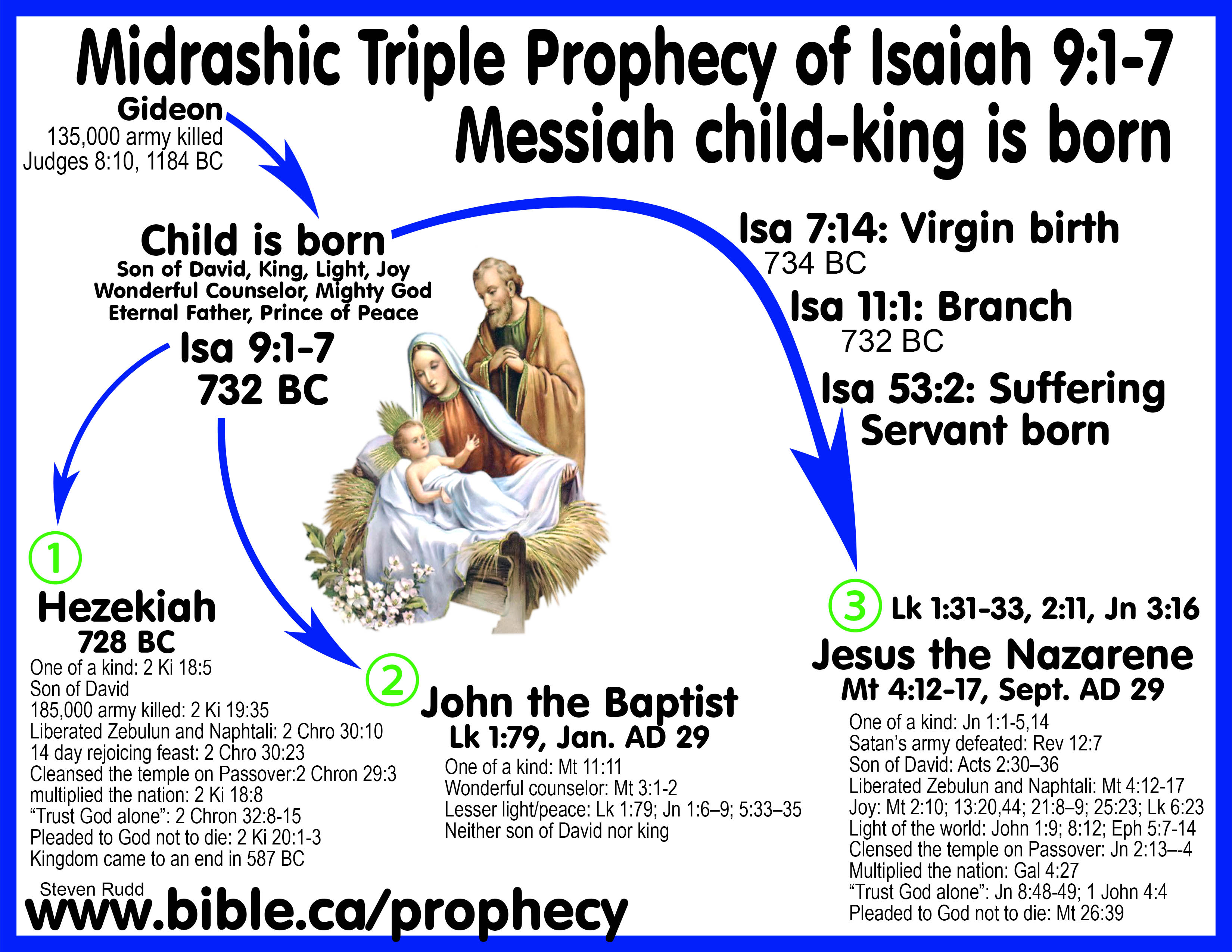
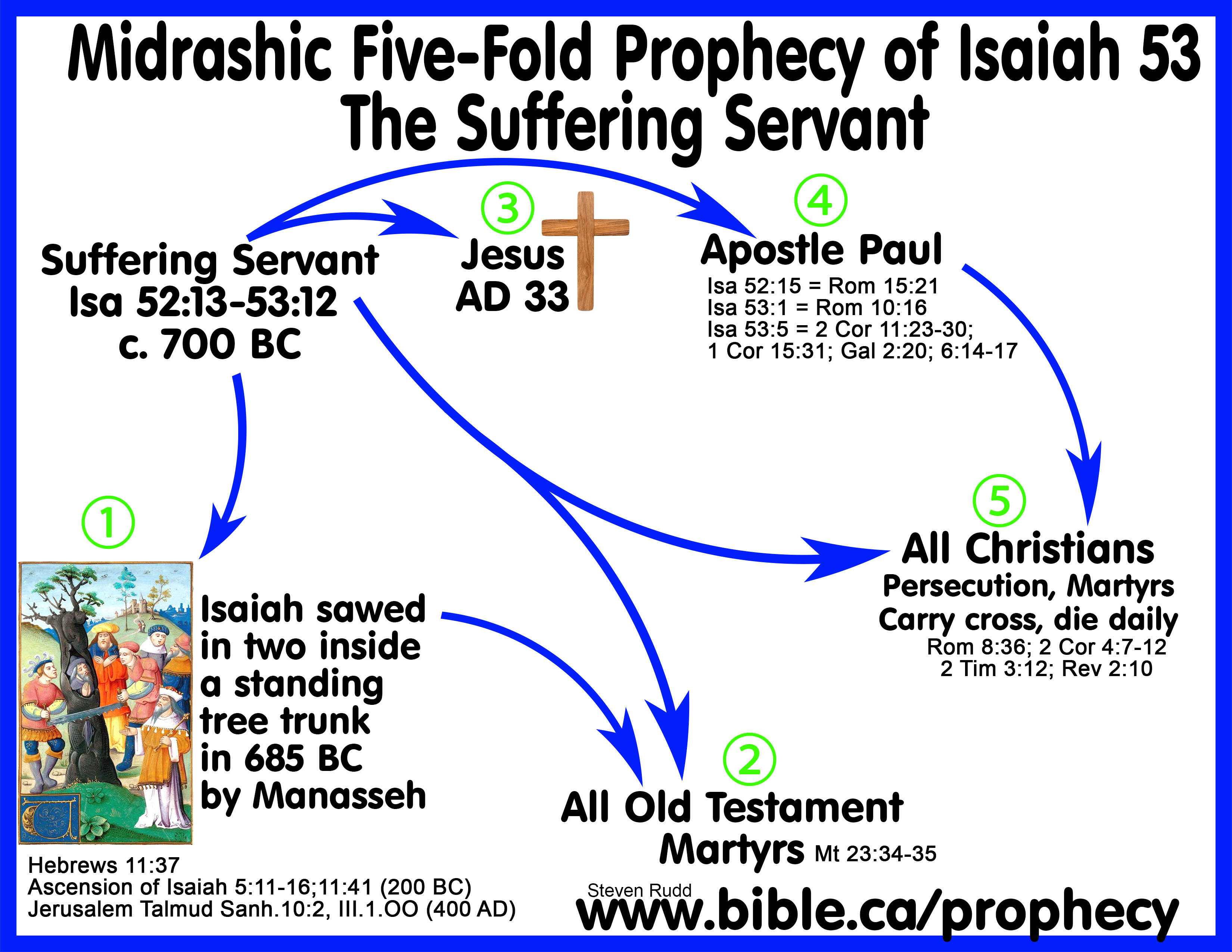
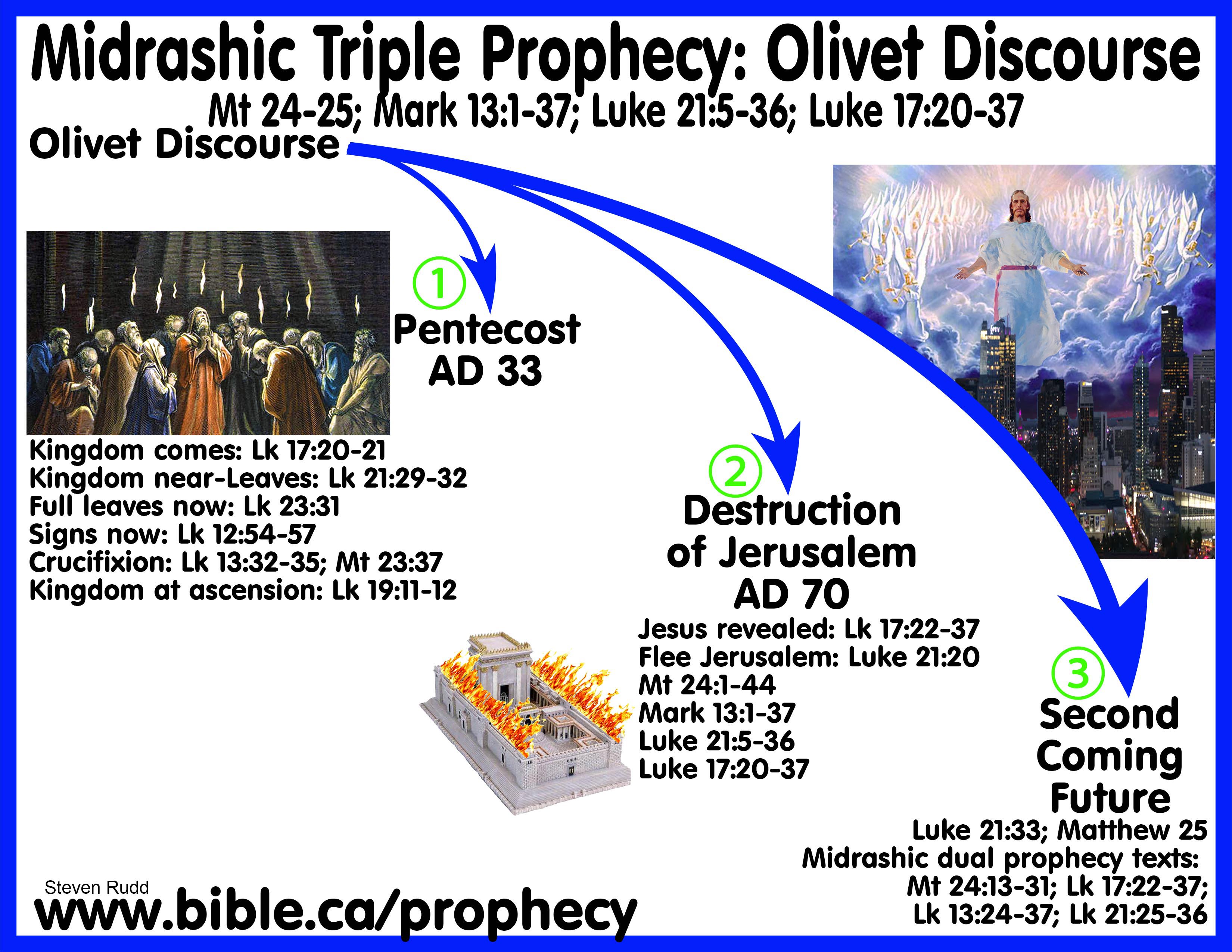
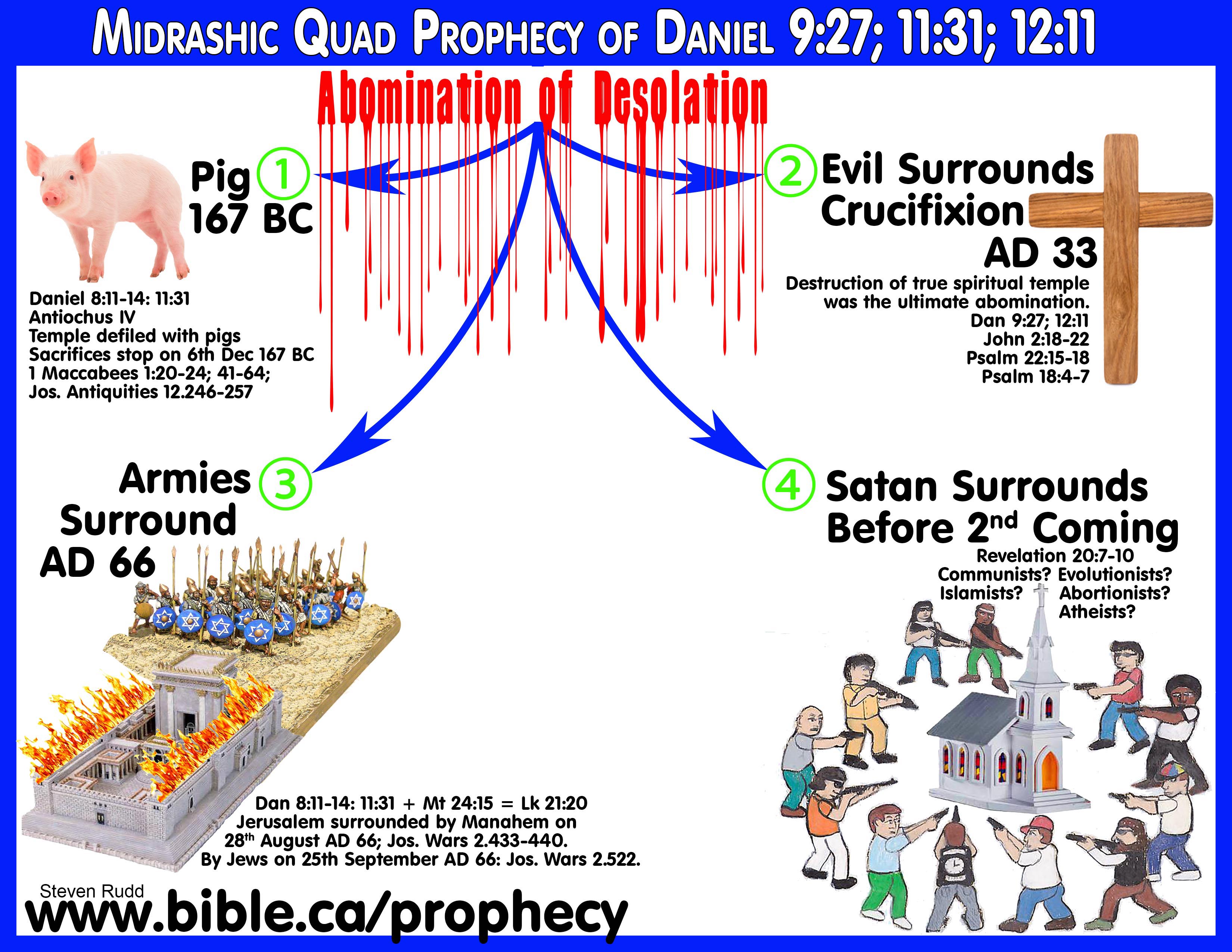
2. Biblical/Jewish/Rabbinical Midrashic Hermeneutic Interpretation method is what Christian’s call “Necessary Inference” and is specifically referenced three times in scripture: Ezra 7:10; 2 Chron 13:22; 24:27.
a. Bible authority is established by obeying the silence of God, command, example, and necessary inference also called Midrashic hermeneutic. What Christians today call “Necessary Inference” is identical what first century Jews called “Midrashic interpretation”.
b. A hermeneutic is a generic term for one of many ways of interpreting the Bible. The Midrash Hermeneutic is one specific method of interpreting the Bible and was the one used by used by Jesus, the Holy Spirit, Old Testament prophets and inspired New Testament writers.
c. The clearest examples of Midrashic Hermeneutic method are the Gospel of Matthew, Paul’s writings and especially the book of Hebrews (written by Paul).
d. The Olivet Discourse becomes a triple prophecy using the Midrashic Hermeneutical method of first, the Christ coming in his kingdom on Pentecost AD 33, second, the coming of Christ in destruction in AD 70 and third, the “second coming” in Judgement at the end of time. Many elements of the Jesus’ prophecy in Matthew 24 are dual prophecies of both the coming of the Lord in Judgment in AD 70 and the future second coming. Our modern thinking wants to identify each verse in Matthew 24 as speaking either of the destruction of Jerusalem in AD 70 or the future second coming but this is impossible with most Midrashic prophetic messianic texts. The final product is a nice, neat list of two sets of verses, each applying to two separate events. The error of this approach is becomes evident when you try to do the same thing in the dual prophecies of Isaiah 7:14; Isaiah 53 and 2 Samuel 7:14. The correct approach is to view all of Matthew 24 as a dual or triple prophecy.
e. The book of Ezekiel was dual prophecy of the destruction of Jerusalem in 587 BC and AD 70. Revelation itself is an exact chapter by chapter, thought by thought remake of the book of Ezekiel. The Midrashic Hermeneutic allows us to use Ezekiel to decodes Revelation.
f. Modern Jewish Rabbis use the Midrashic hermeneutic in their synagogues and are intimately familiar with it. When Jewish Rabbis today are critical with the way Matthew connected messianic prophecy in the Tanakh to Jesus of Nazareth, they are being hypocritical because their own methods seen in their own rabbinical writings are many times more spatial, abstract and speculative.
g. Midrash is how Christians today determine faith and doctrine in the church which includes obeying the silence of scripture, direct command, approved apostolic example and inference as witnessed in how the Christians in Acts 15 refuted the need for the gentiles to be circumcised to be saved.
Evidence from Archaeology: “What we read in the book we find in the ground”

1. Coins
confirm the names of New Testament governors:
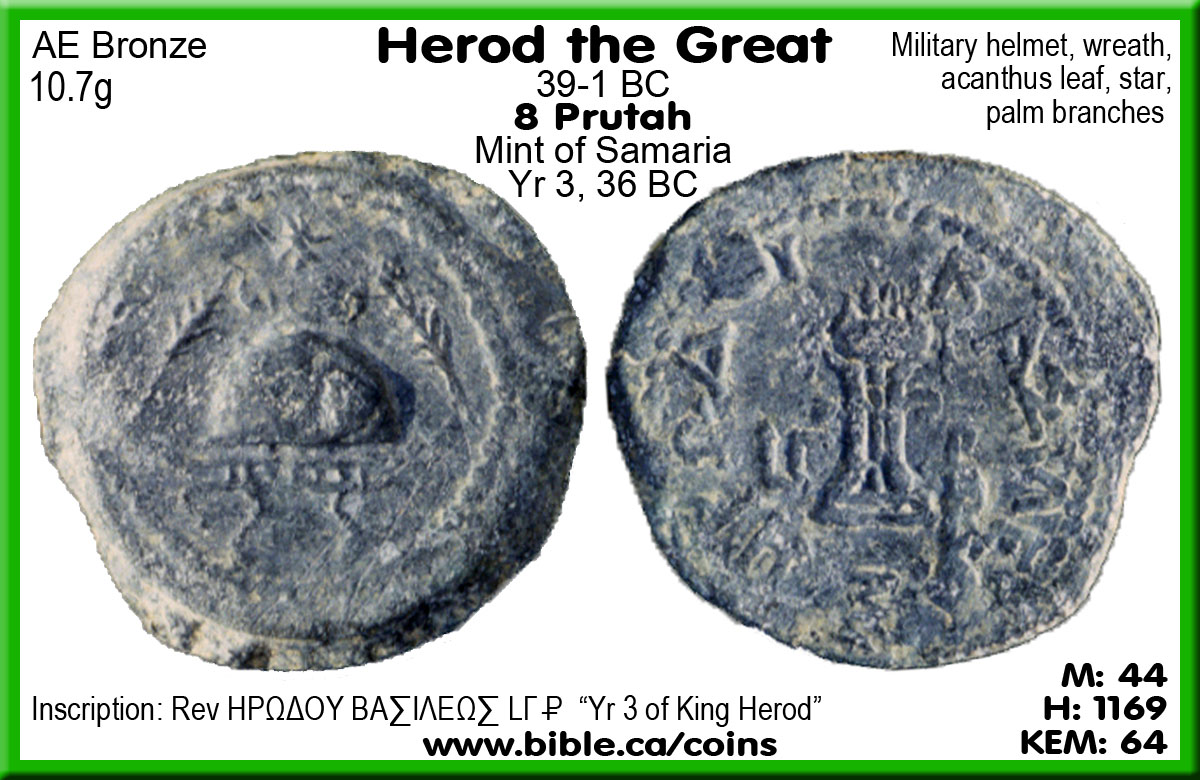
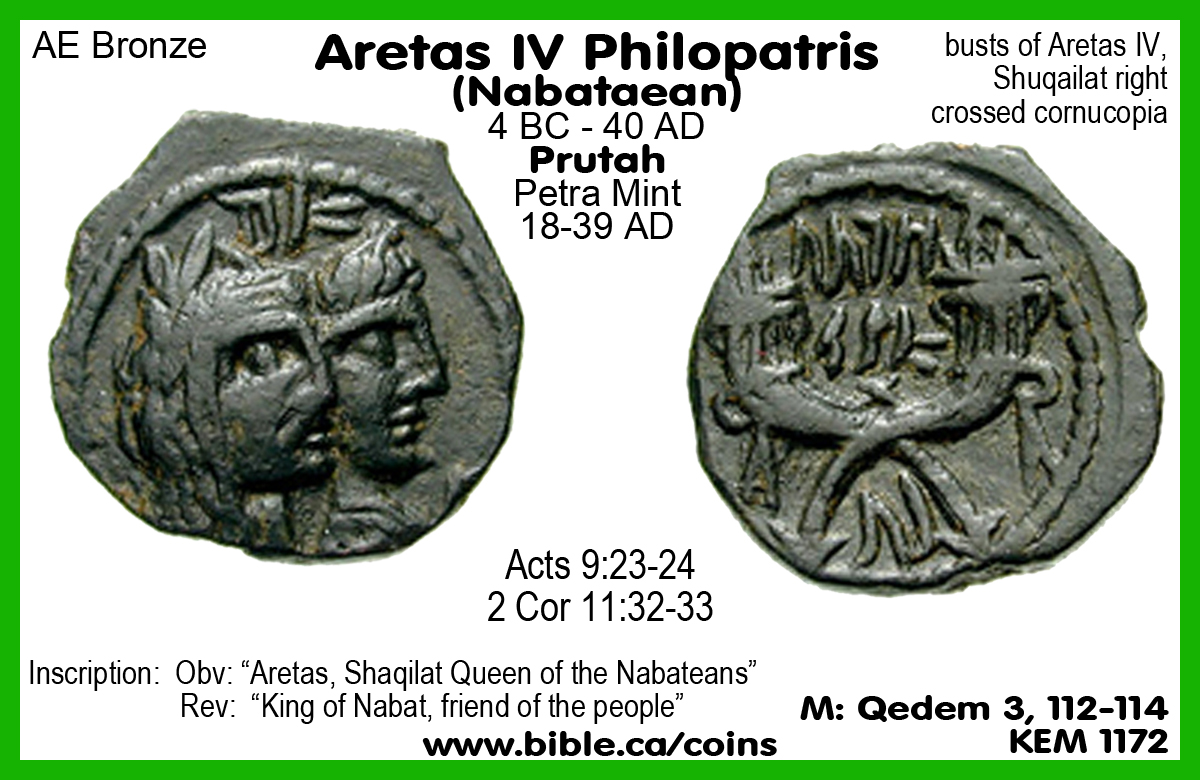
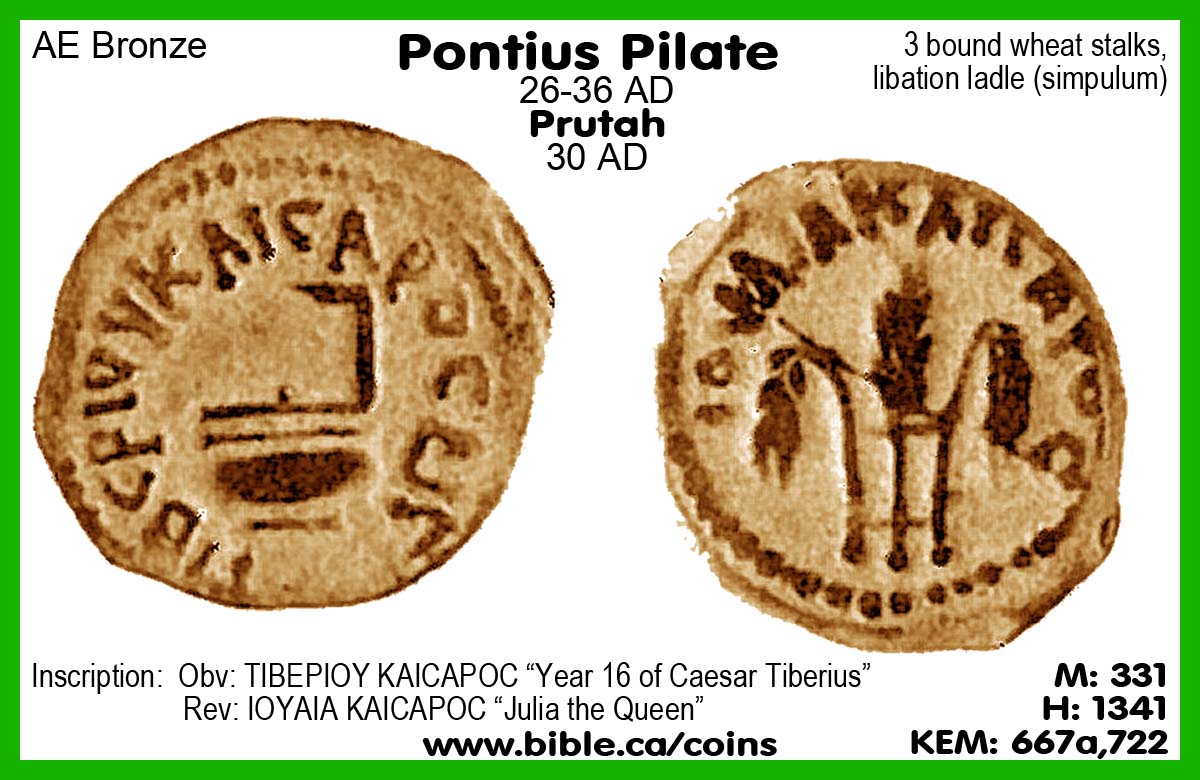
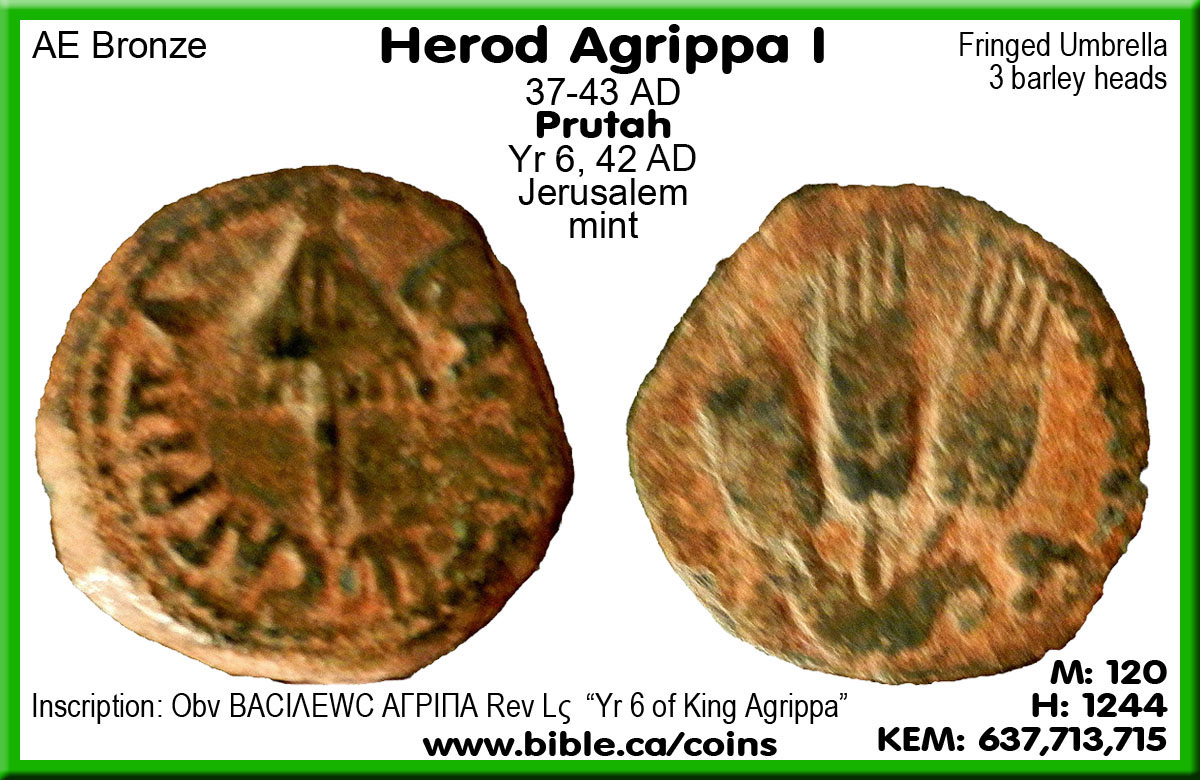
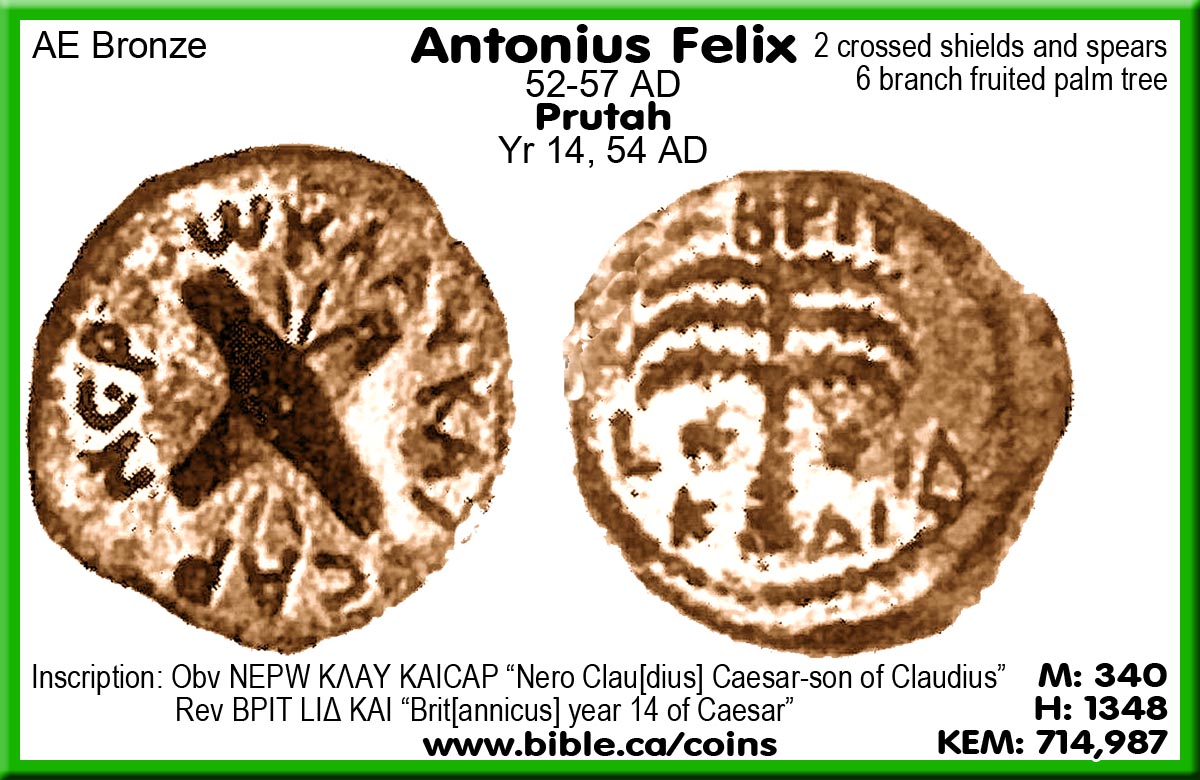
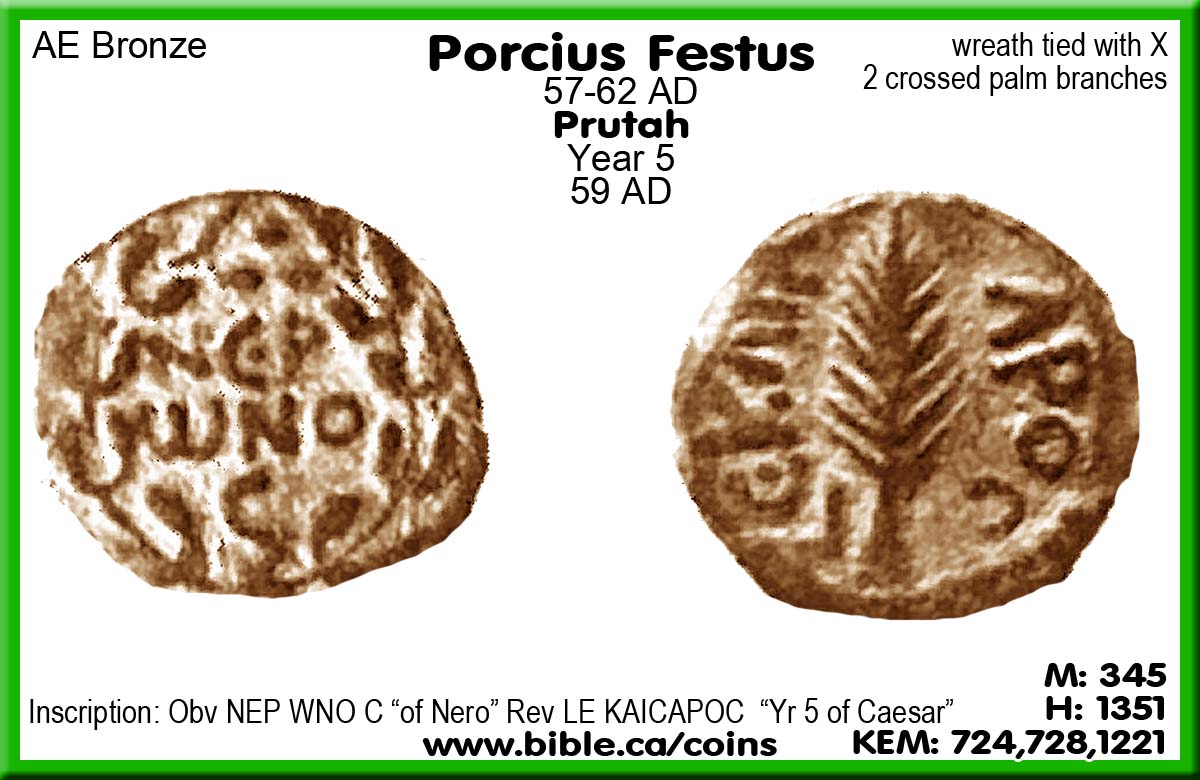
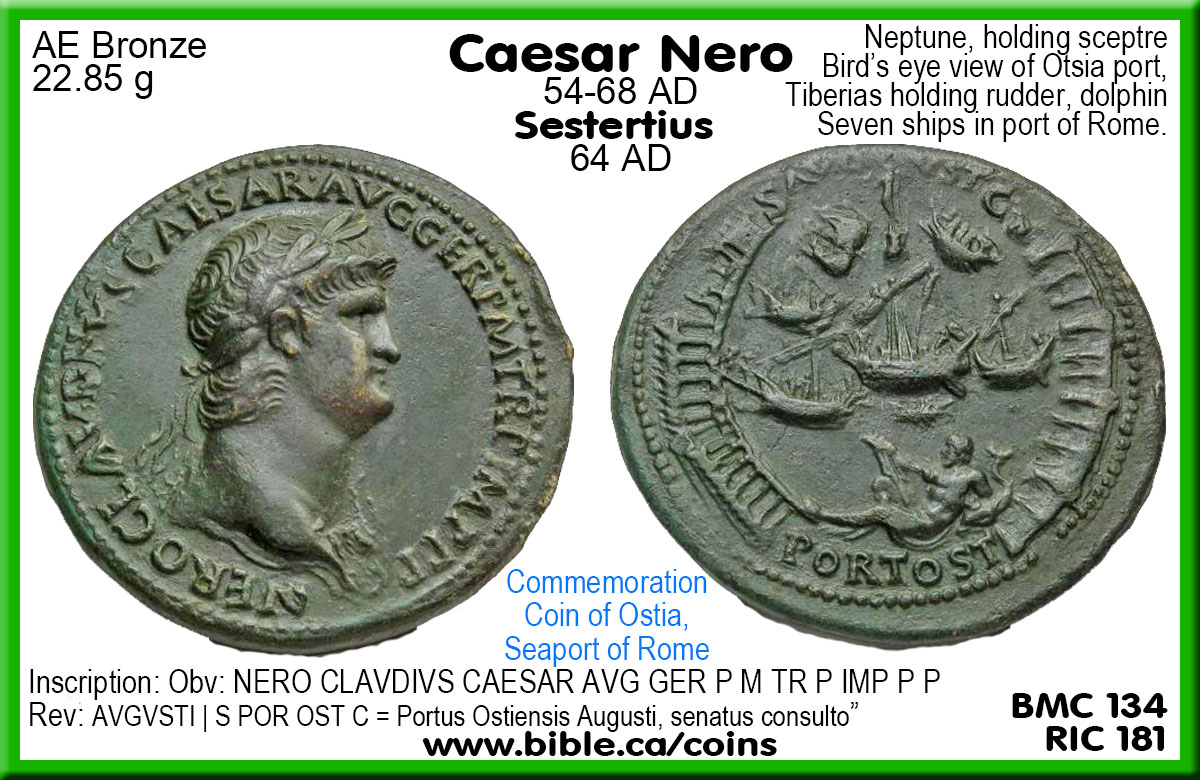
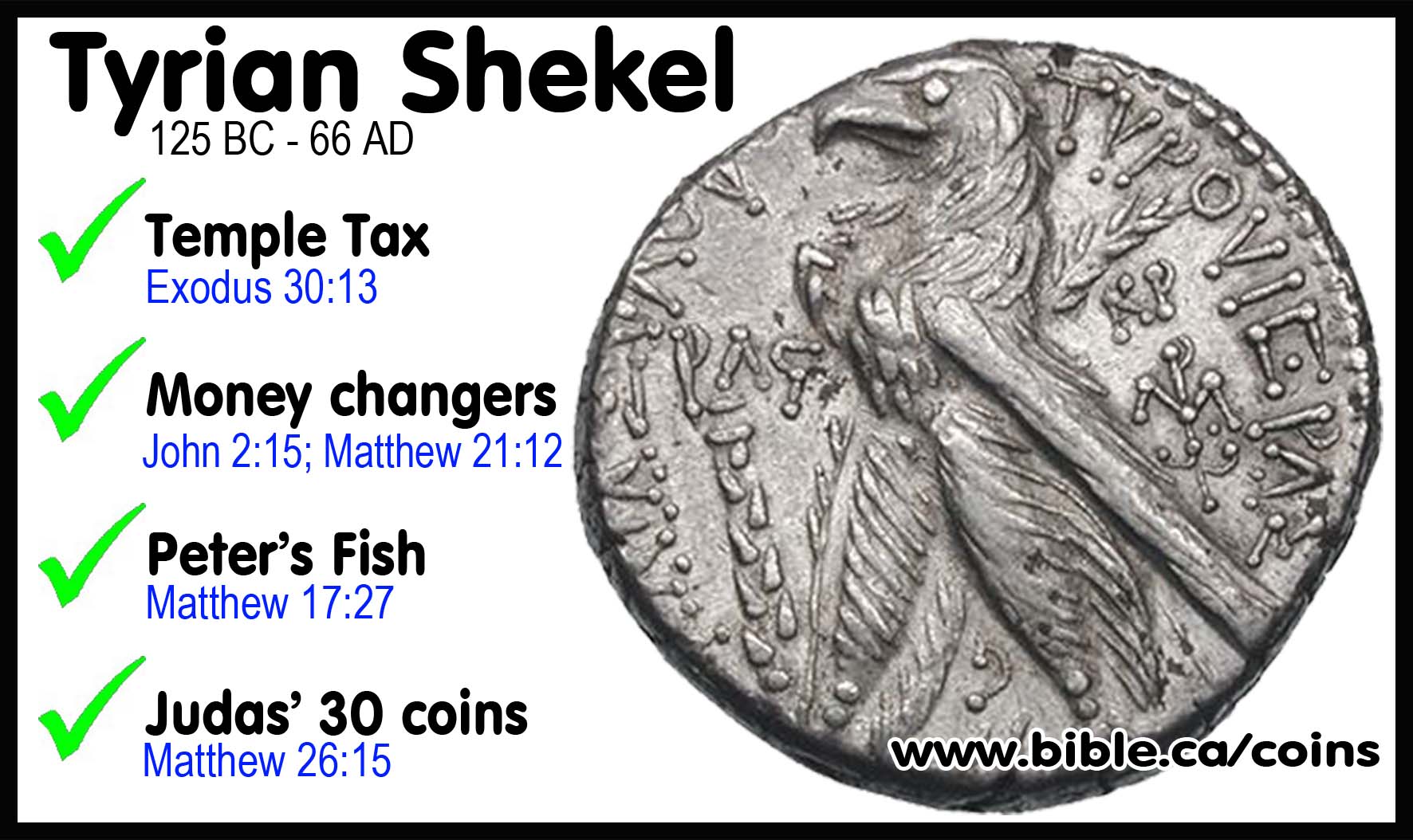
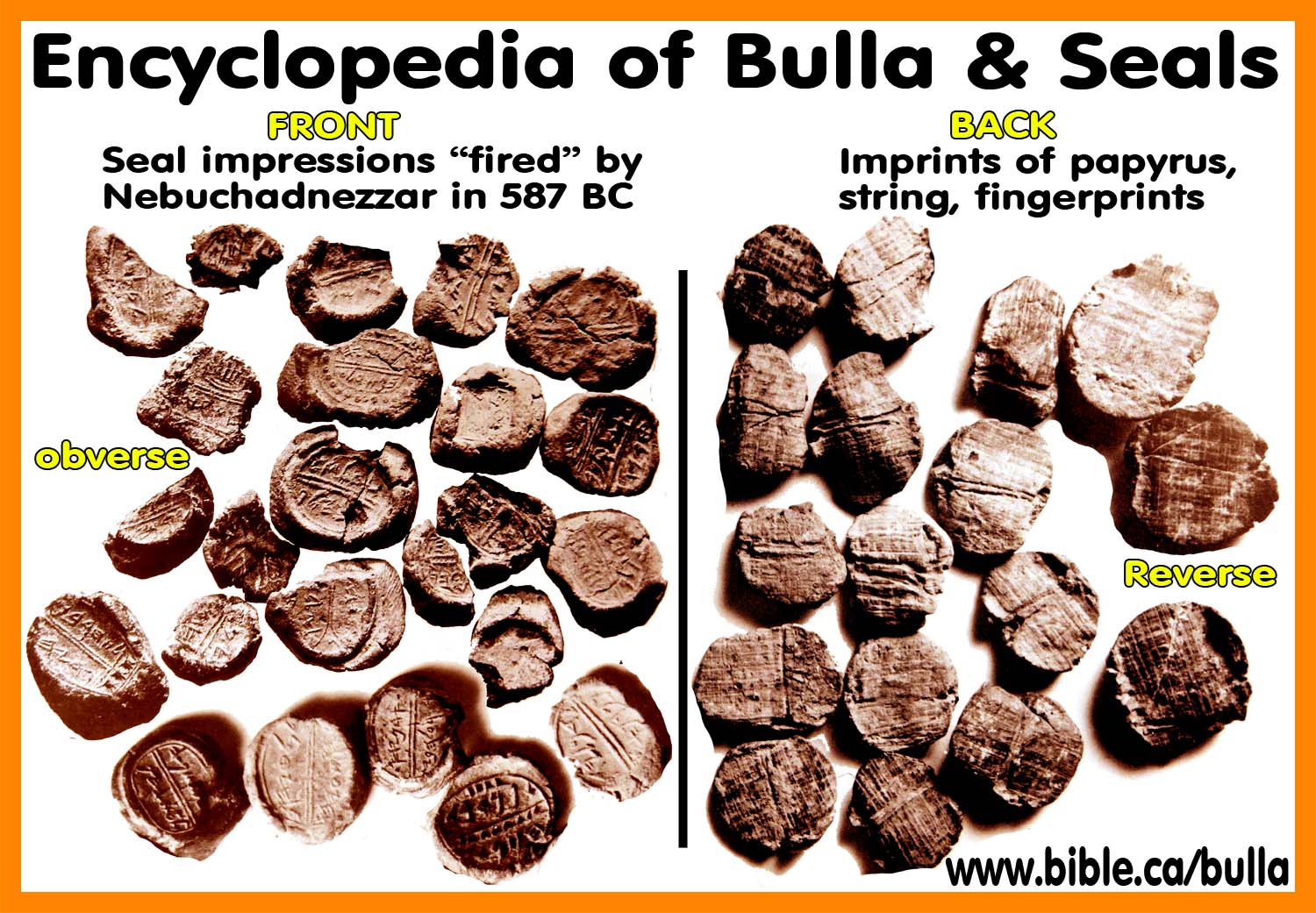
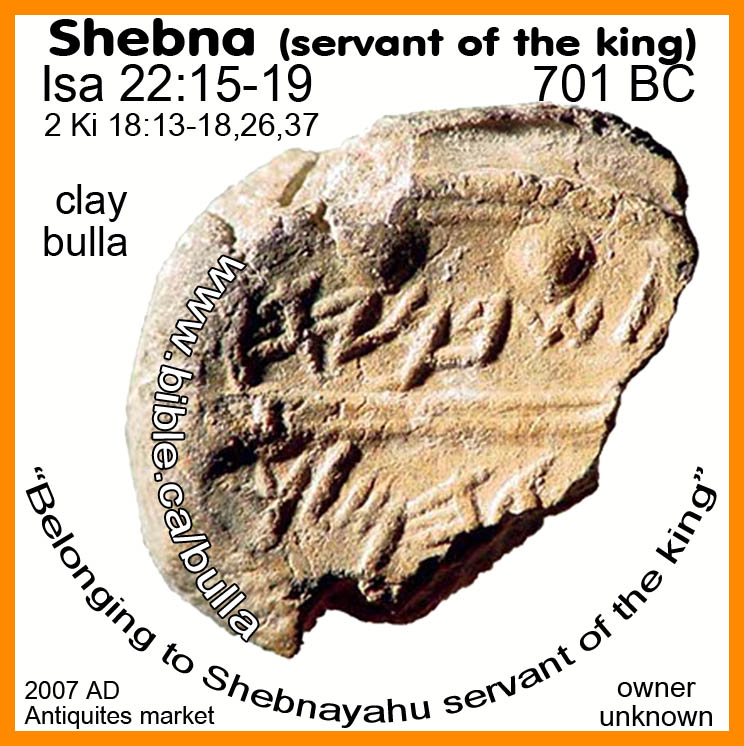
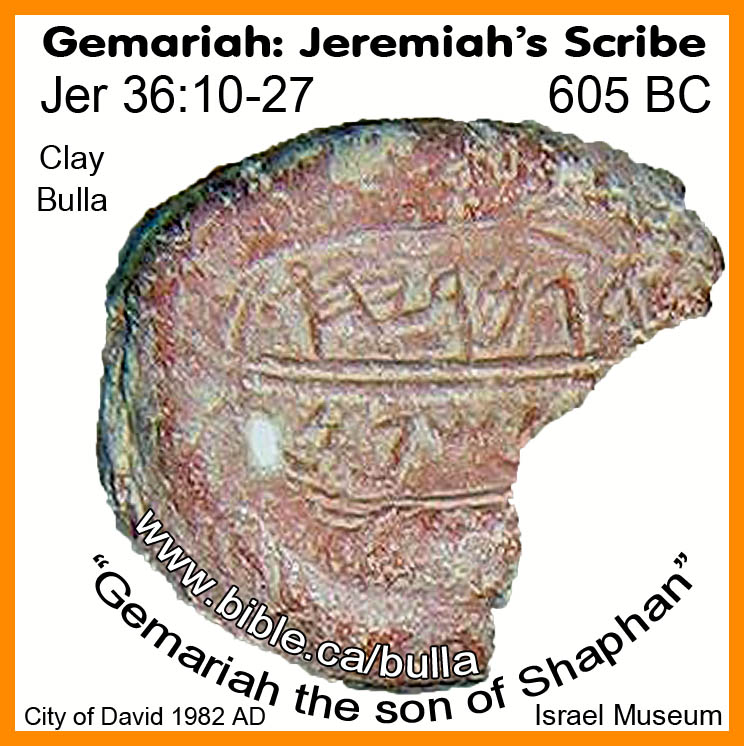
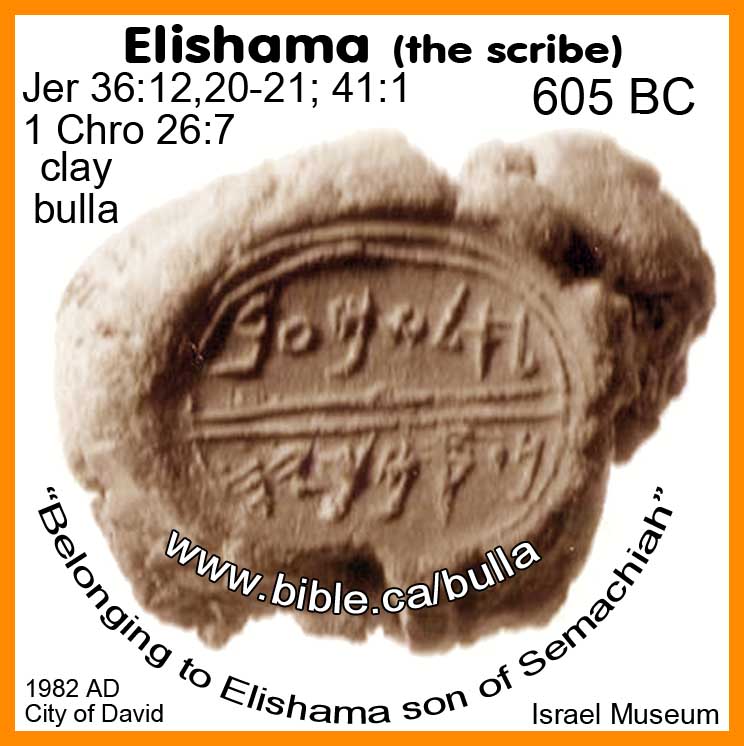
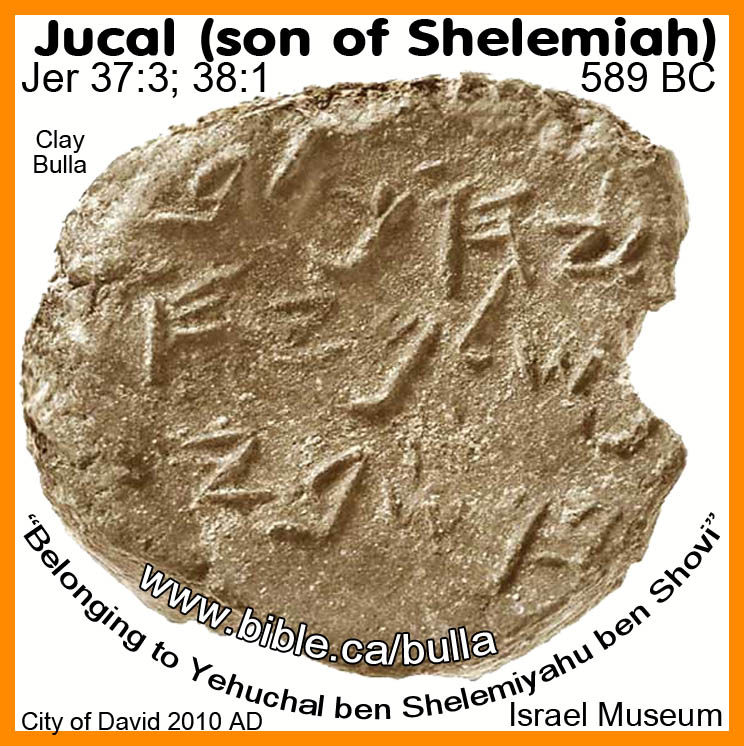
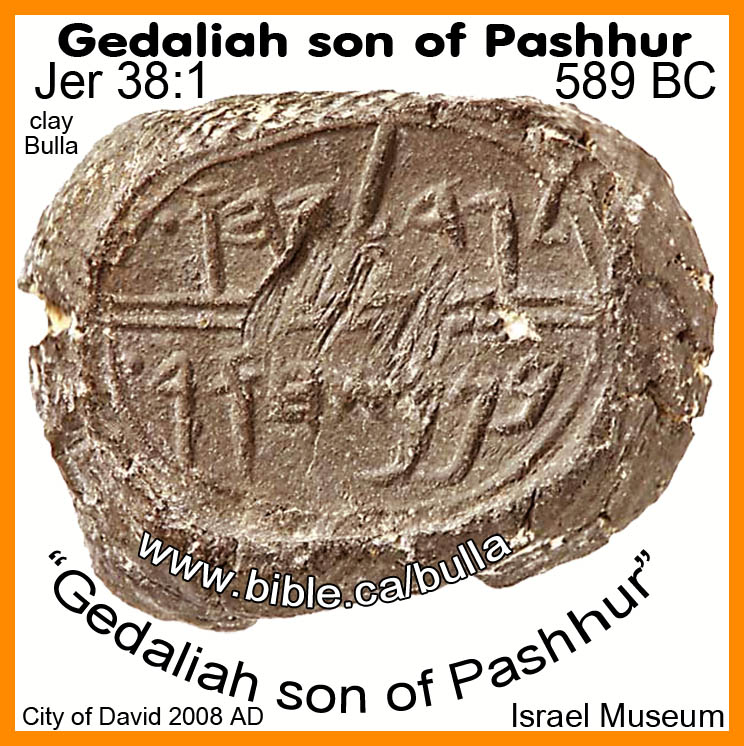
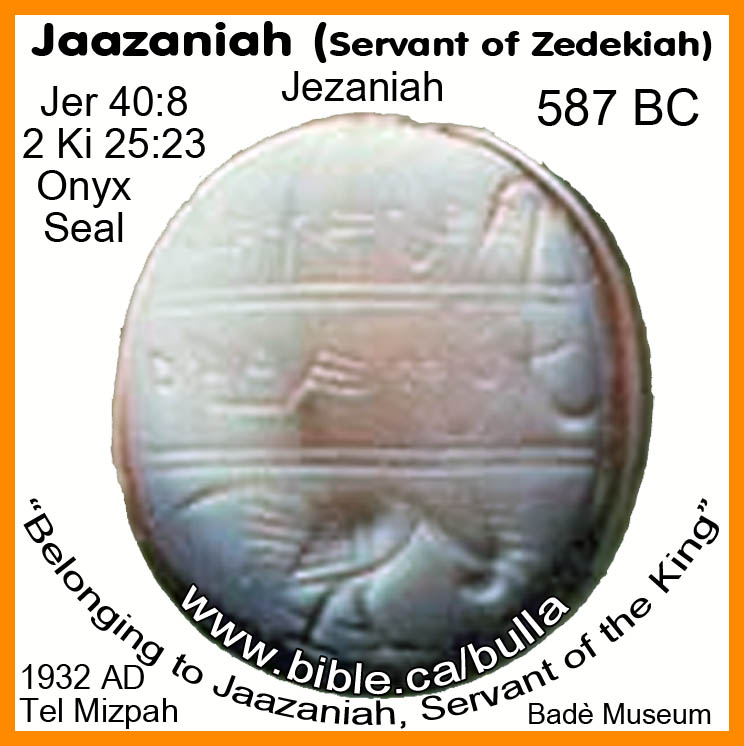
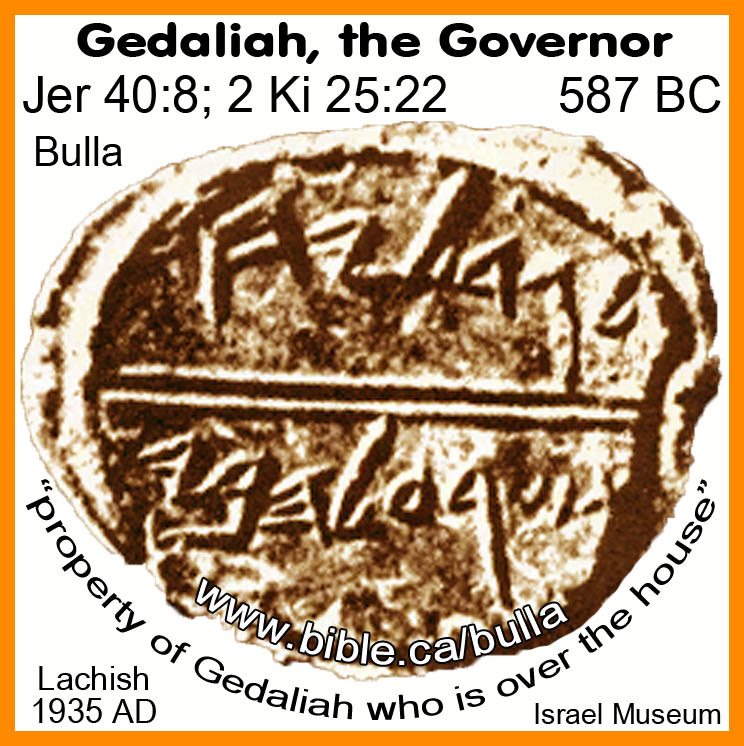
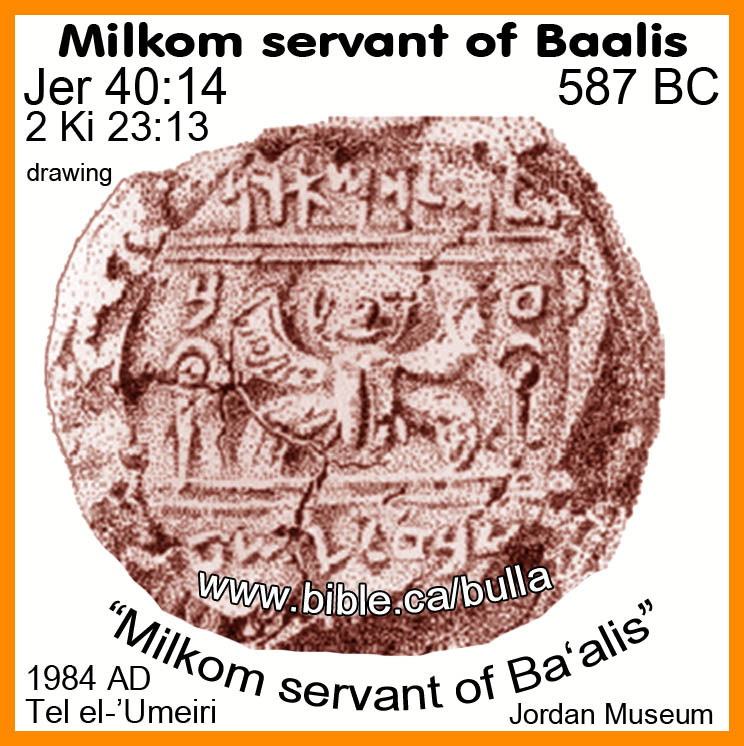
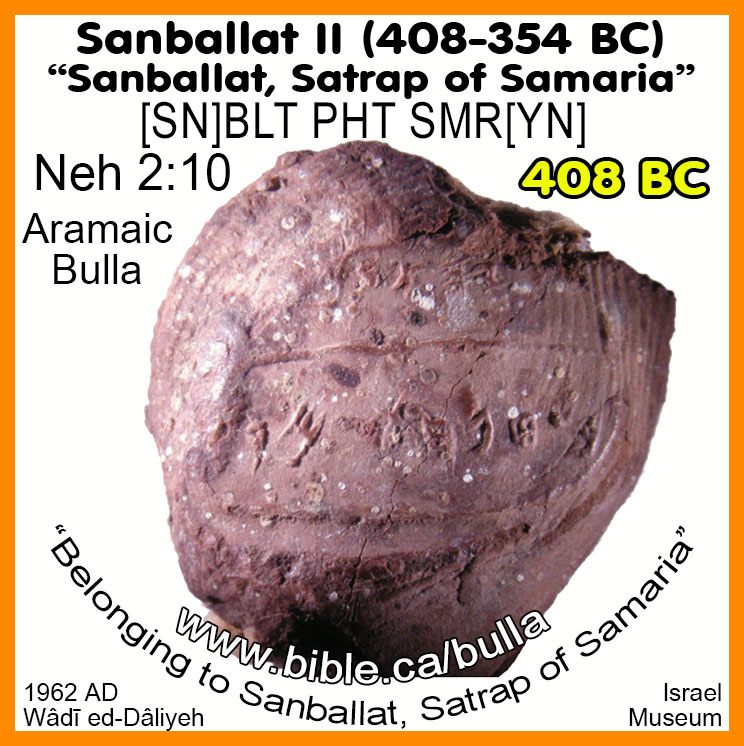
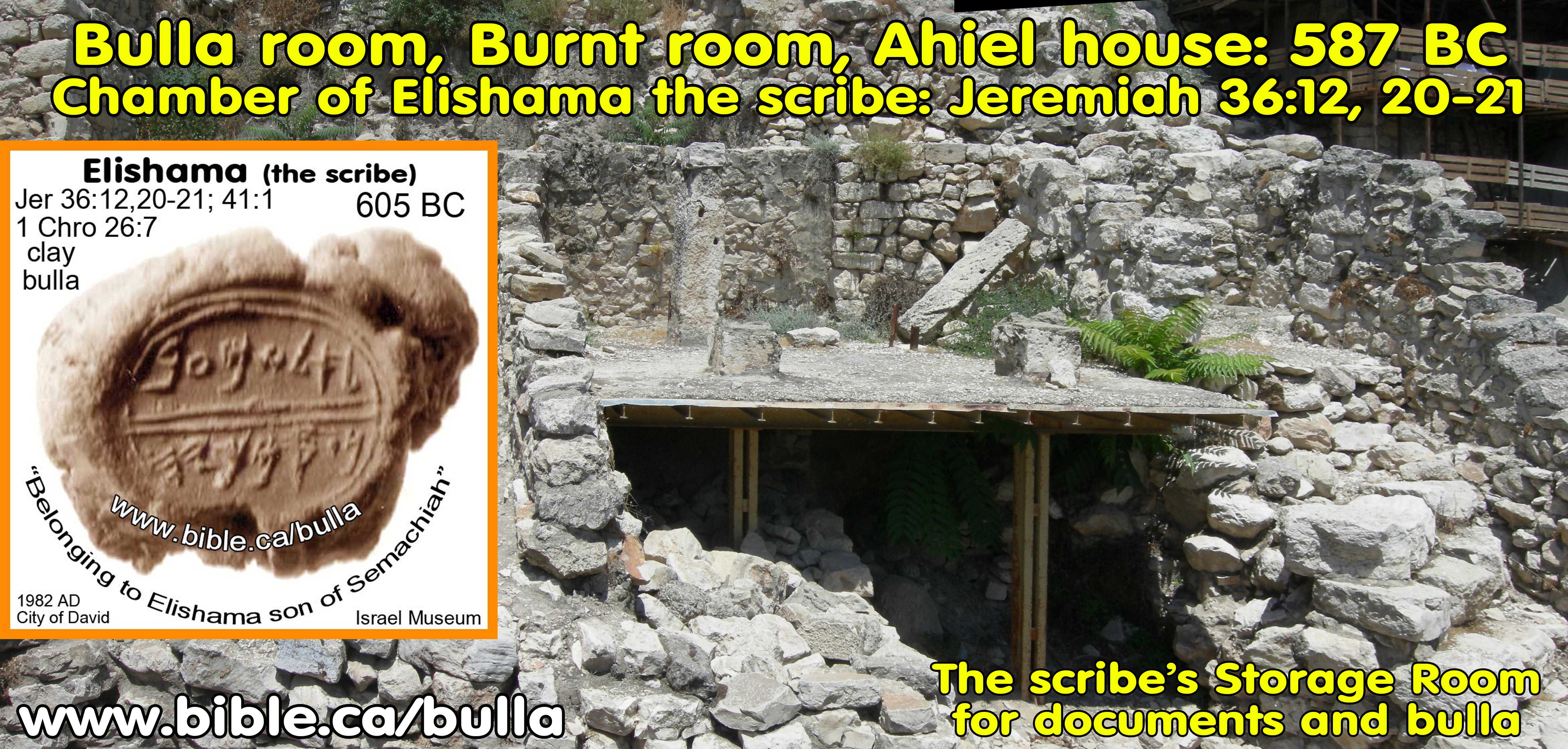
2. Seals and bulla confirm Bible names:


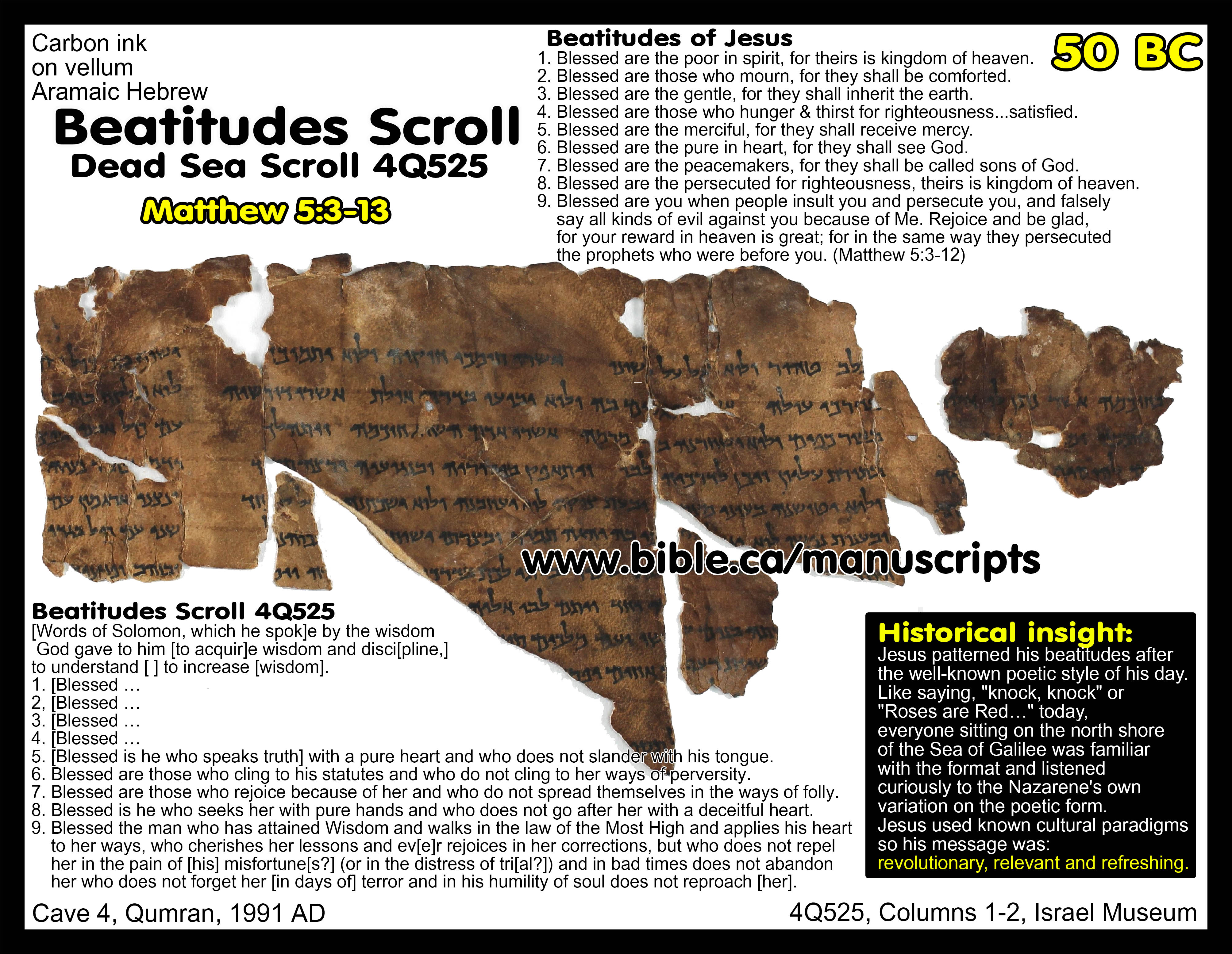
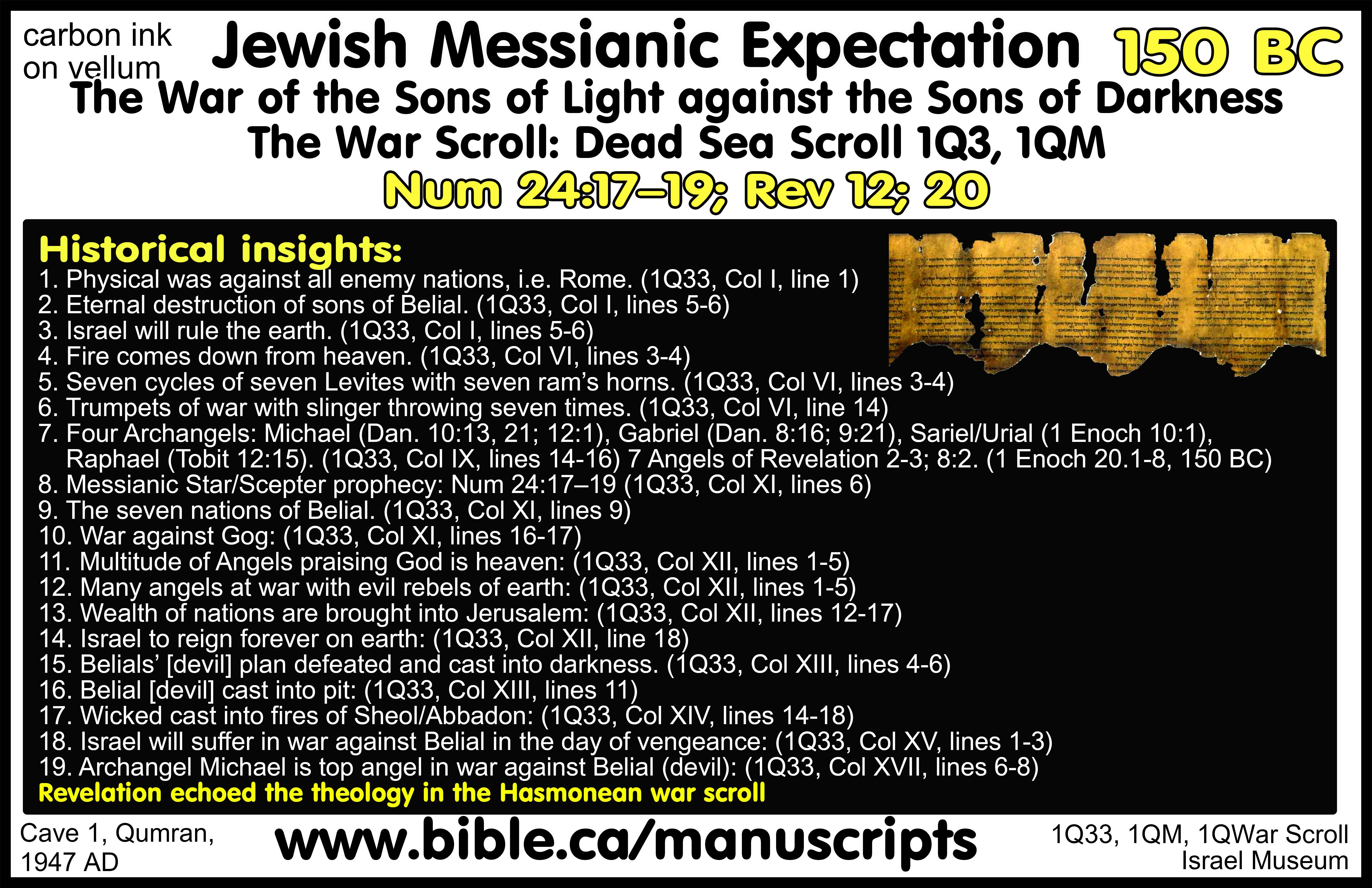
3. Dead Sea
Scrolls confirm historical accuracy of the Old Testament.
In the Beatitudes scroll 4Q525 Jesus patterned his beatitudes after the
well-known poetic style of his day with 8 short beatitudes followed by an 9th
longer one. Like saying, "knock, knock" or "Roses are Red…"
today, everyone sitting on the north shore of the Sea of Galilee was familiar
with the format and listened curiously to the Nazarene's own variation on the
poetic form. Jesus used known cultural paradigms so his message was: revolutionary,

relevant and refreshing. The scrolls confirm all 39 OT books except Esther.
They document messianic expectation in the mind of the Jews just before the
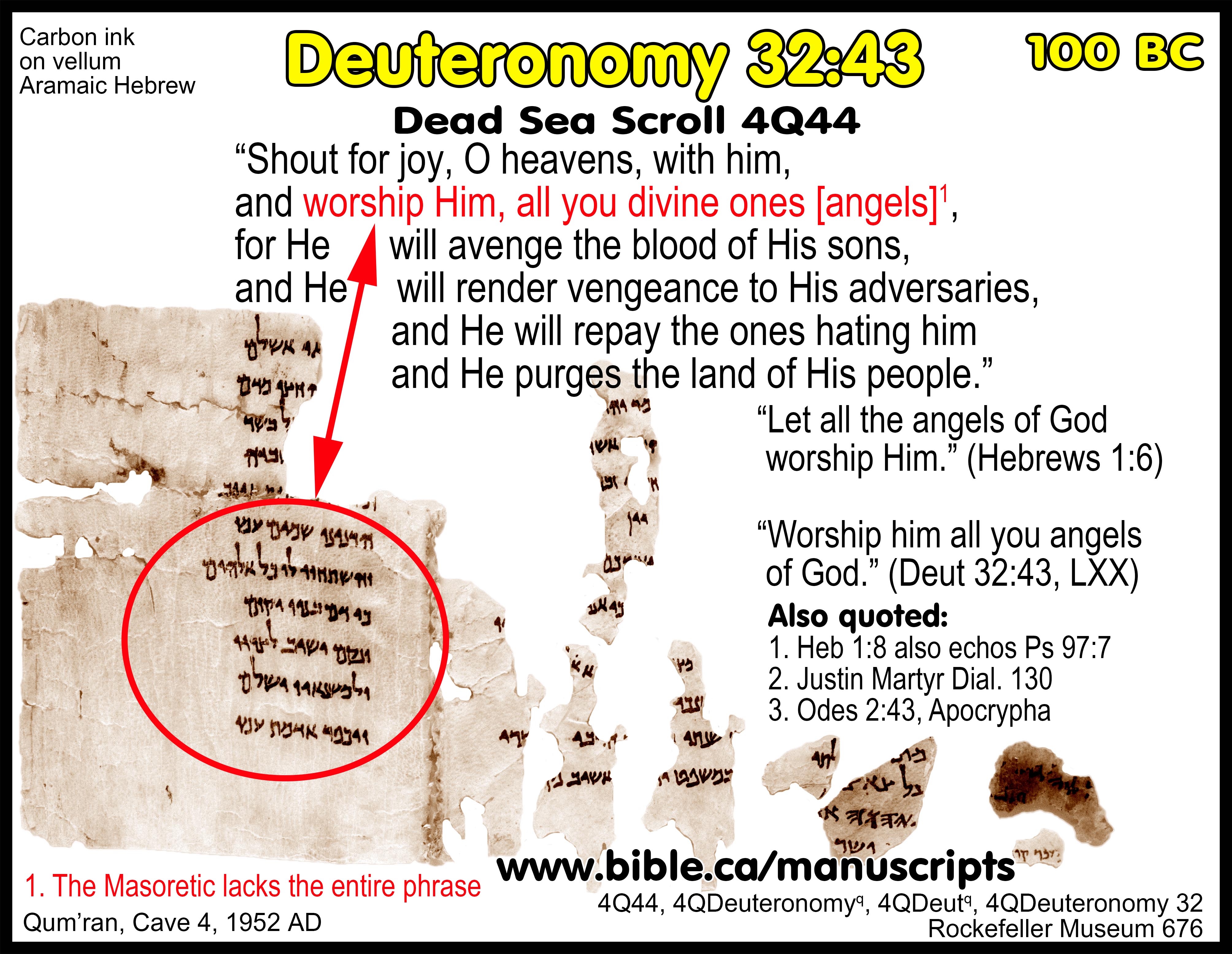
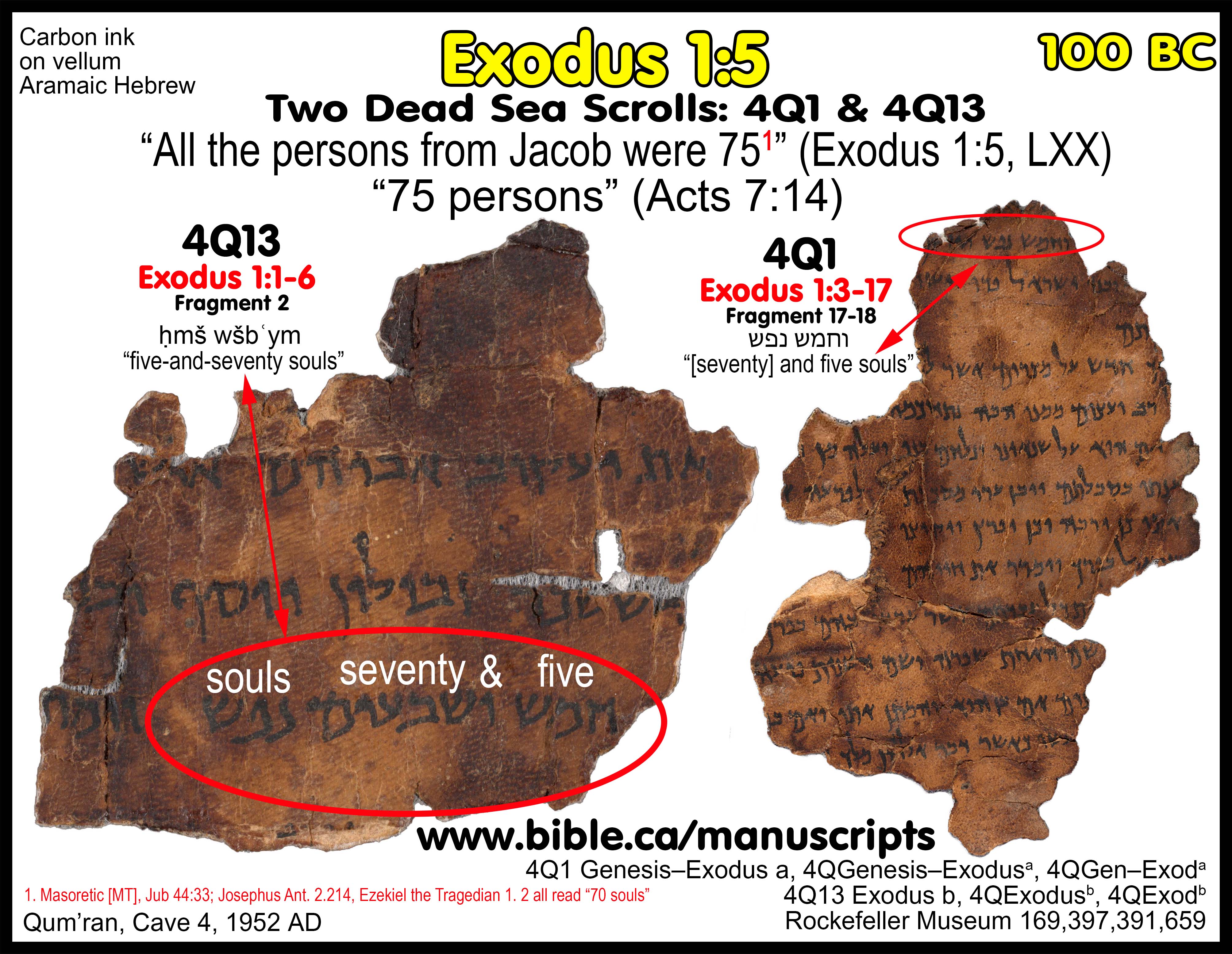
birth of Christ in 2 BC. Finally, they confirm Greek Septuagint (LXX) readings
in the New Testament lacking from the Hebrew Masoretic (MT) in Acts 7:14 (75
Hebrews) and Hebrews 1:6 (Angels worship Jesus).

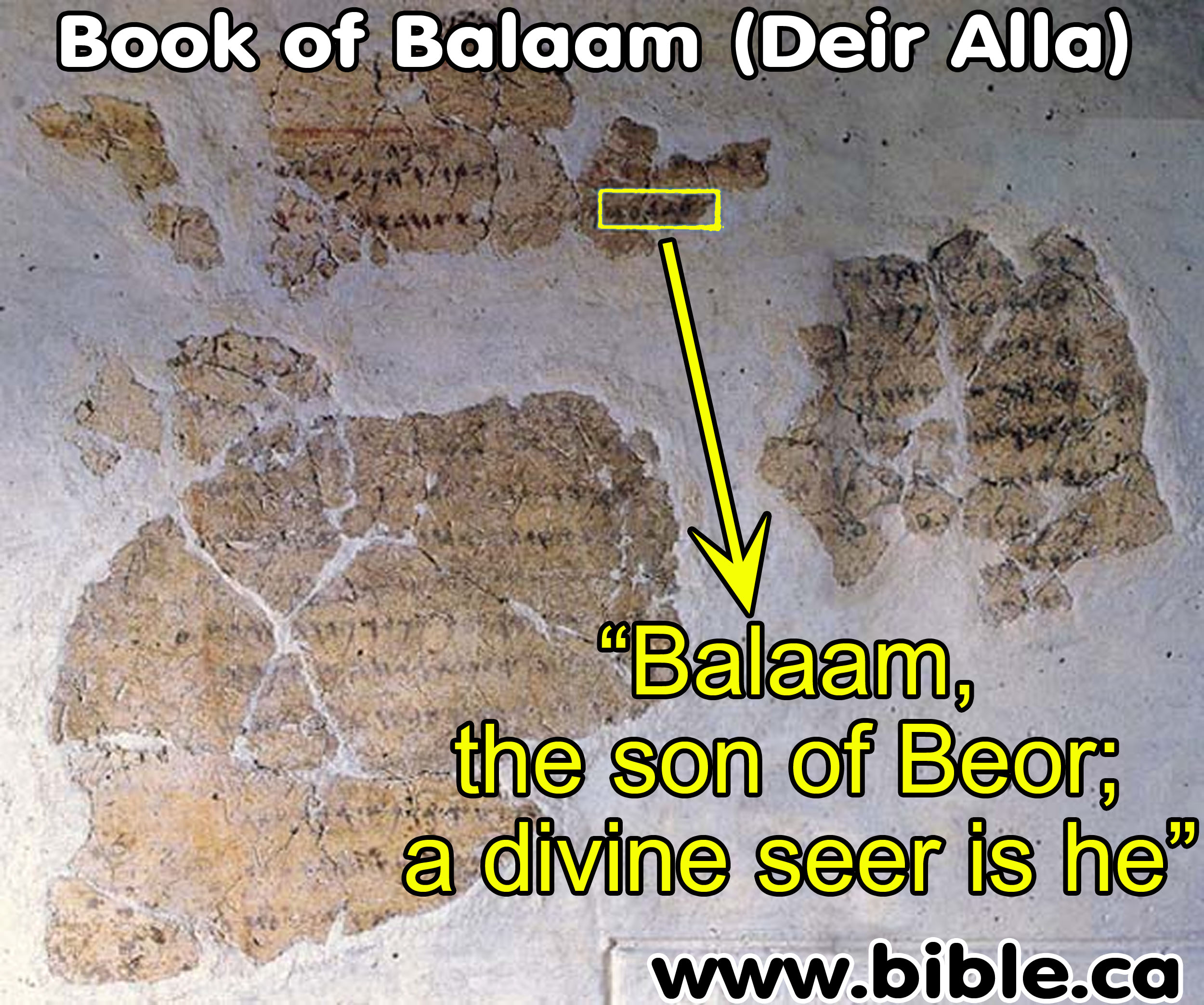
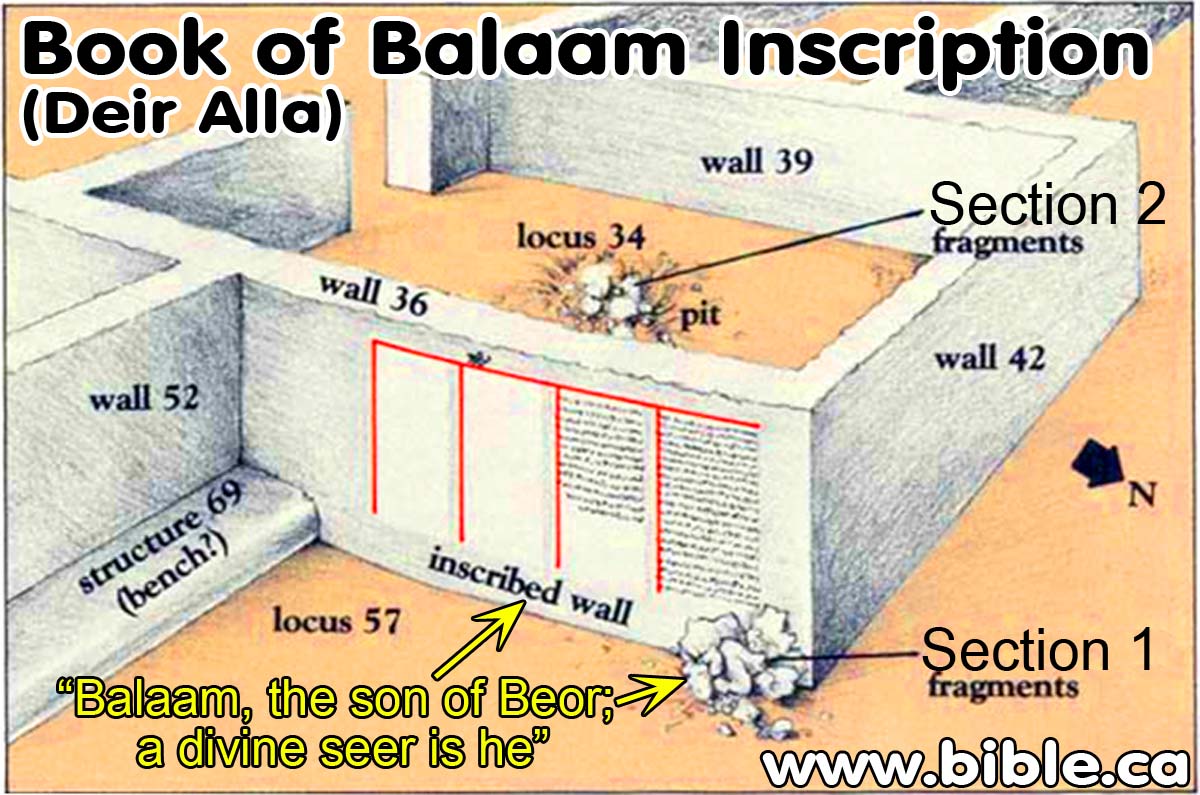
3. Balaam
the Seer inscription confirms the conquest: 1406 BC:
Three times in the first four lines he is referred to as “Balaam son of
Beor,” exactly as it is written in the Numbers 22:5 which names the town the
inscription was excavated at. The inscription reads: “The misfortunes of the
Book of Balaam, son of Beor. A divine seer was he. The gods came to him at
night, and he beheld a vision in accordance with El’s utterance. They said to
Balaam, son of Beor: “So will it be done, with naught surviving, No one has
seen the likes of what you have heard!”
5. Amarna
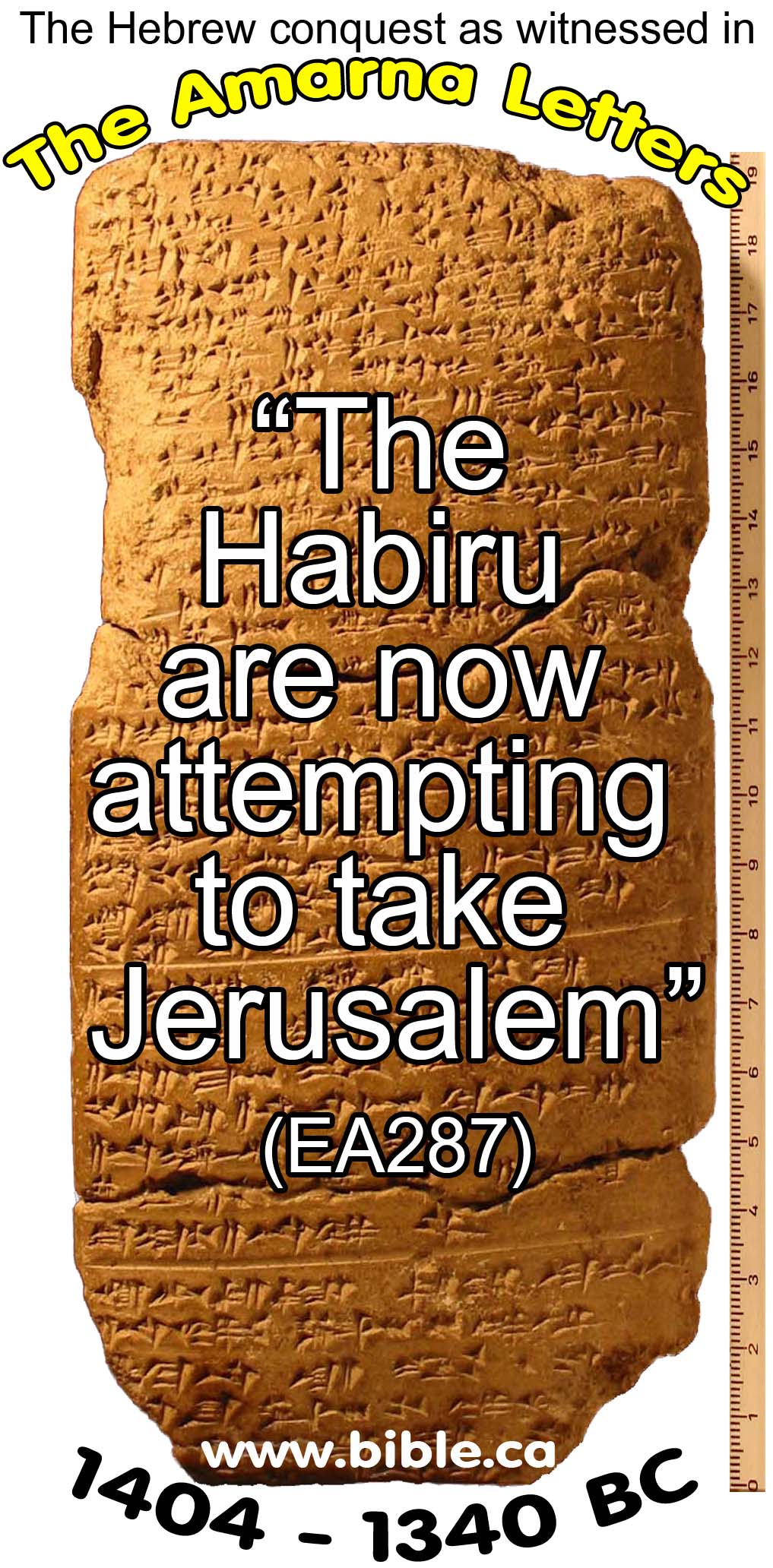
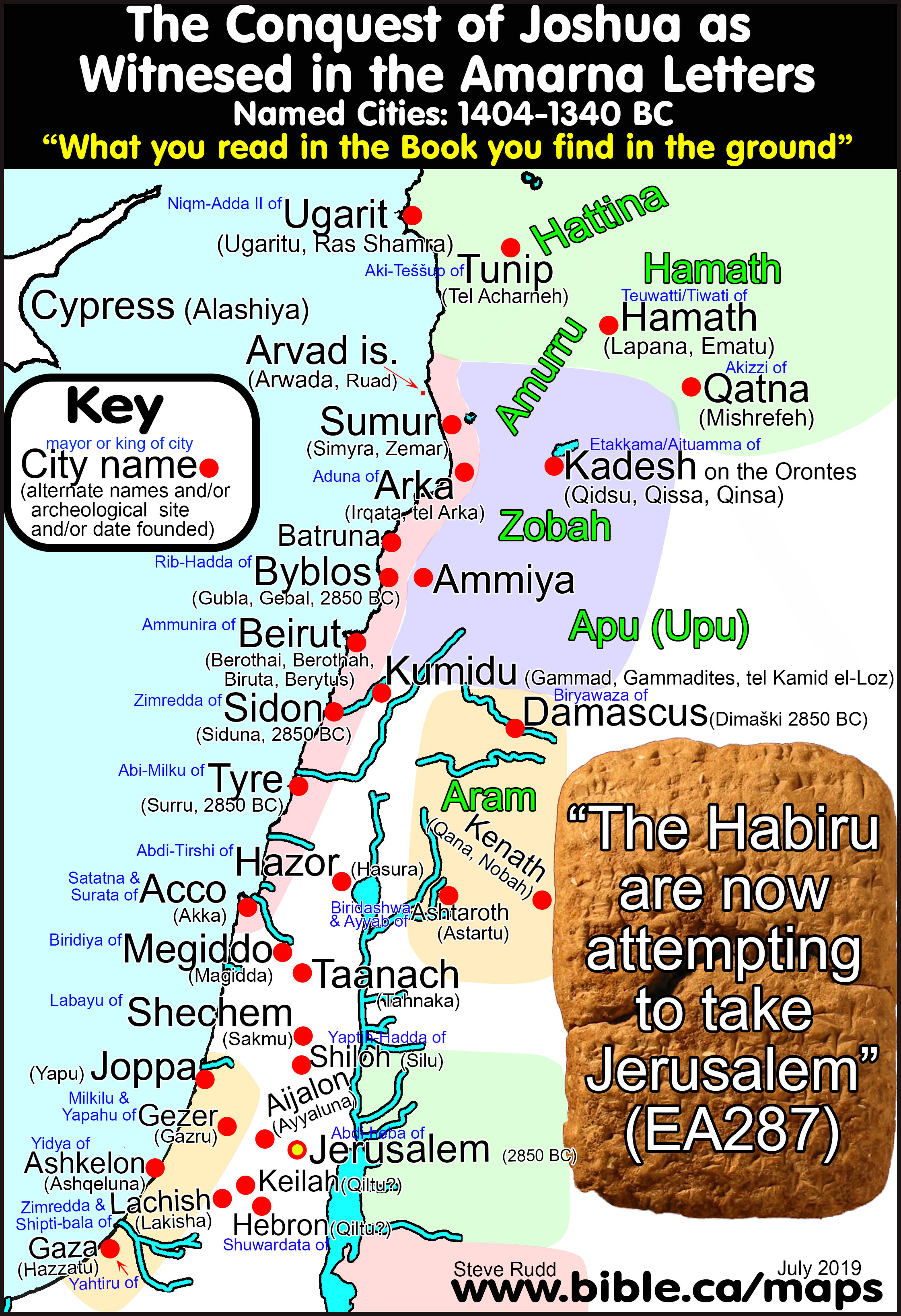
Letters document the conquest of Joshua.
The 382 Amarna tablets are cuneiform clay letters of correspondence between
the city-kings being conquered by Joshua and the Pharaoh in Egypt. The Amarna
letters are one of the greatest archeological proofs that the history of the
Bible and the conquest under Joshua of the promised land is true. The Habiru
who attacked Canaan are the Hebrews because in consonantal spelling, Habiru and
Hebrew is identical. Israel crossed the Jordan in 1406 BC, 40 years to the
exact day they left Egypt in 1446 BC. Starting in 1406 BC, the Conquest took 6
years. On the first sabbatical year of 1399 BC they set up the Tabernacle tent
at Shiloh where it stood for 305 years until 1094BC when it was destroyed by
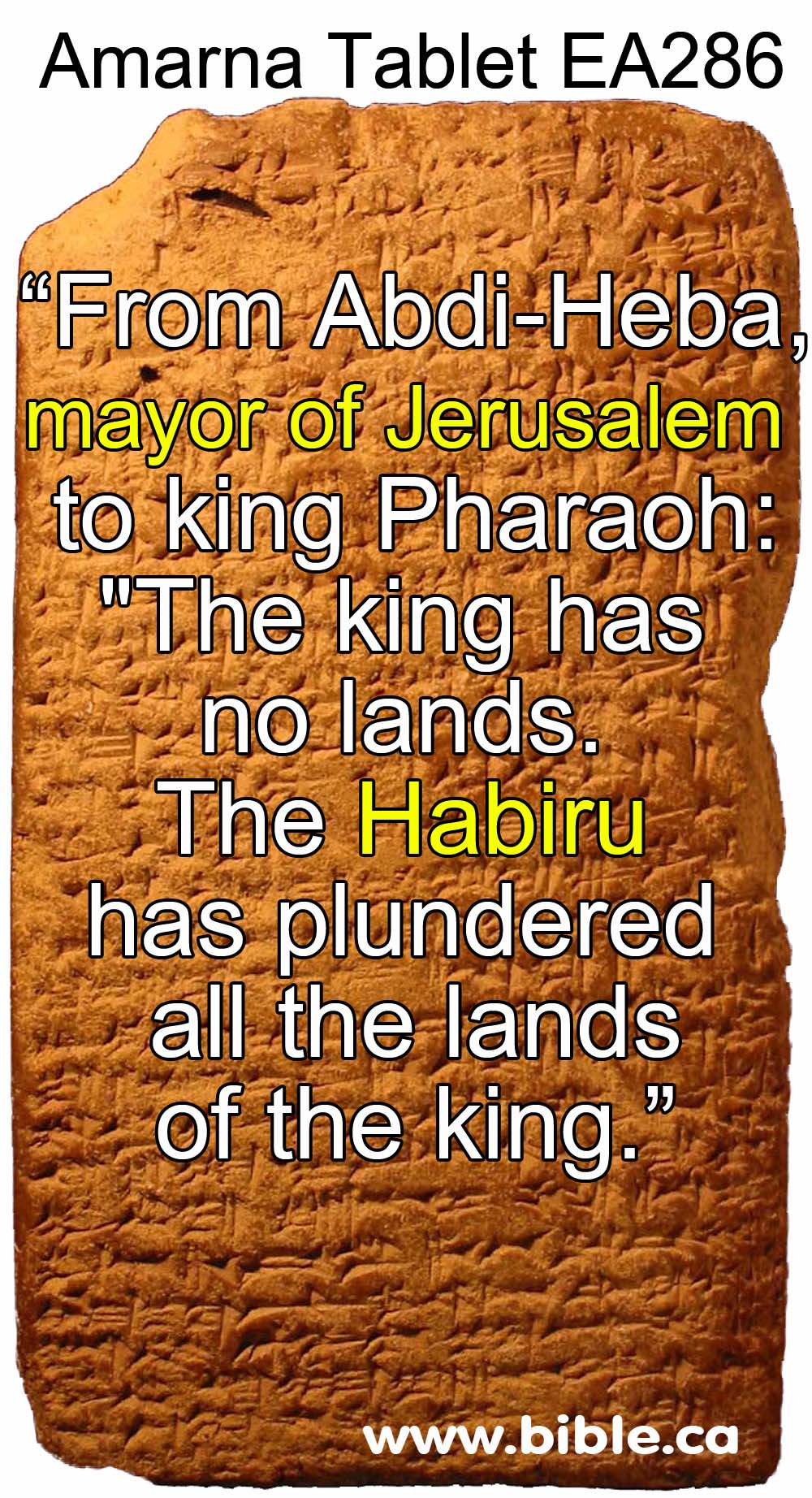
the Philistines. Amarna Tables EA286 and EA 287 document the cry of the
Jebusite king of Jerusalem to Pharaoh in Egypt for help in defending against
the attack of the Hebrews under the command of Joshua.
6. Oldest Bible text
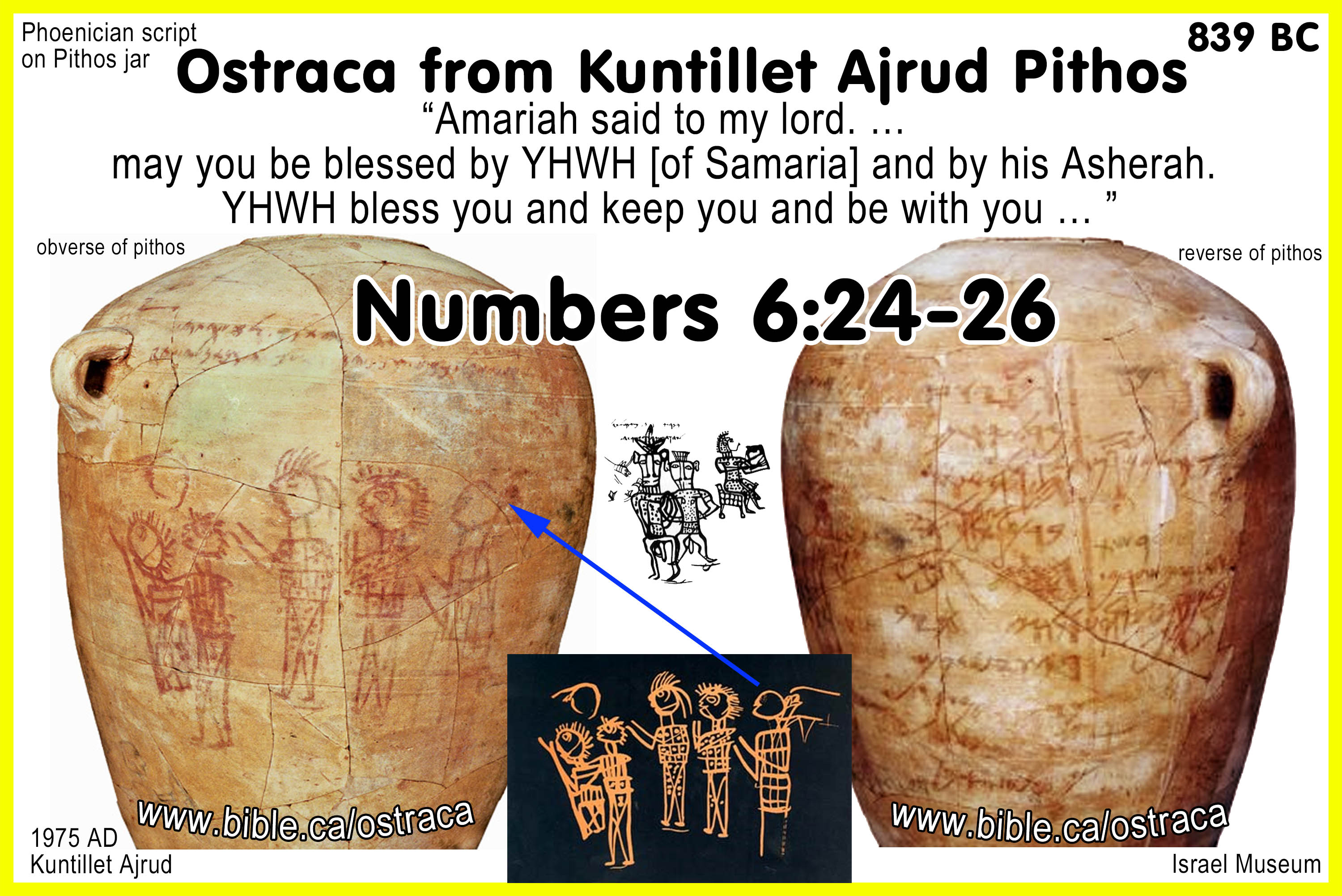
dates to 839 BC: Numbers 6:24-26.
In AD 2017, Steven Rudd identified from excavation reports, that the oldest
bible verses ever discovered was the from the assemblage of ostraca from
Kuntillet Ajrud. Currently the oldest Hebrew Bible text (Numbers 6:24-26) from
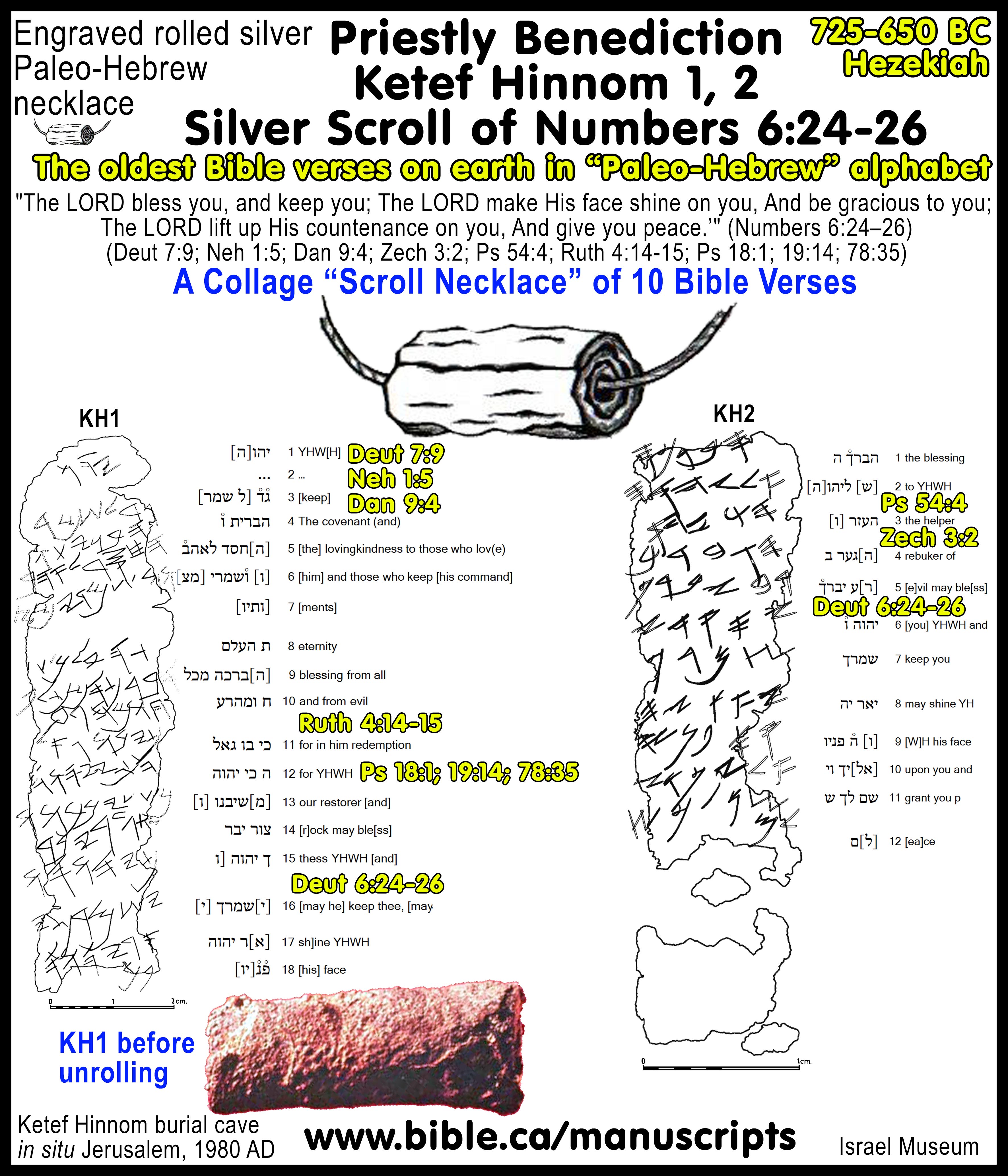
Kuntillet Ajrud, predates the Ketef Hinnom silver scroll by 100-200 years,
which also quotes Num 6:24-25.
7.
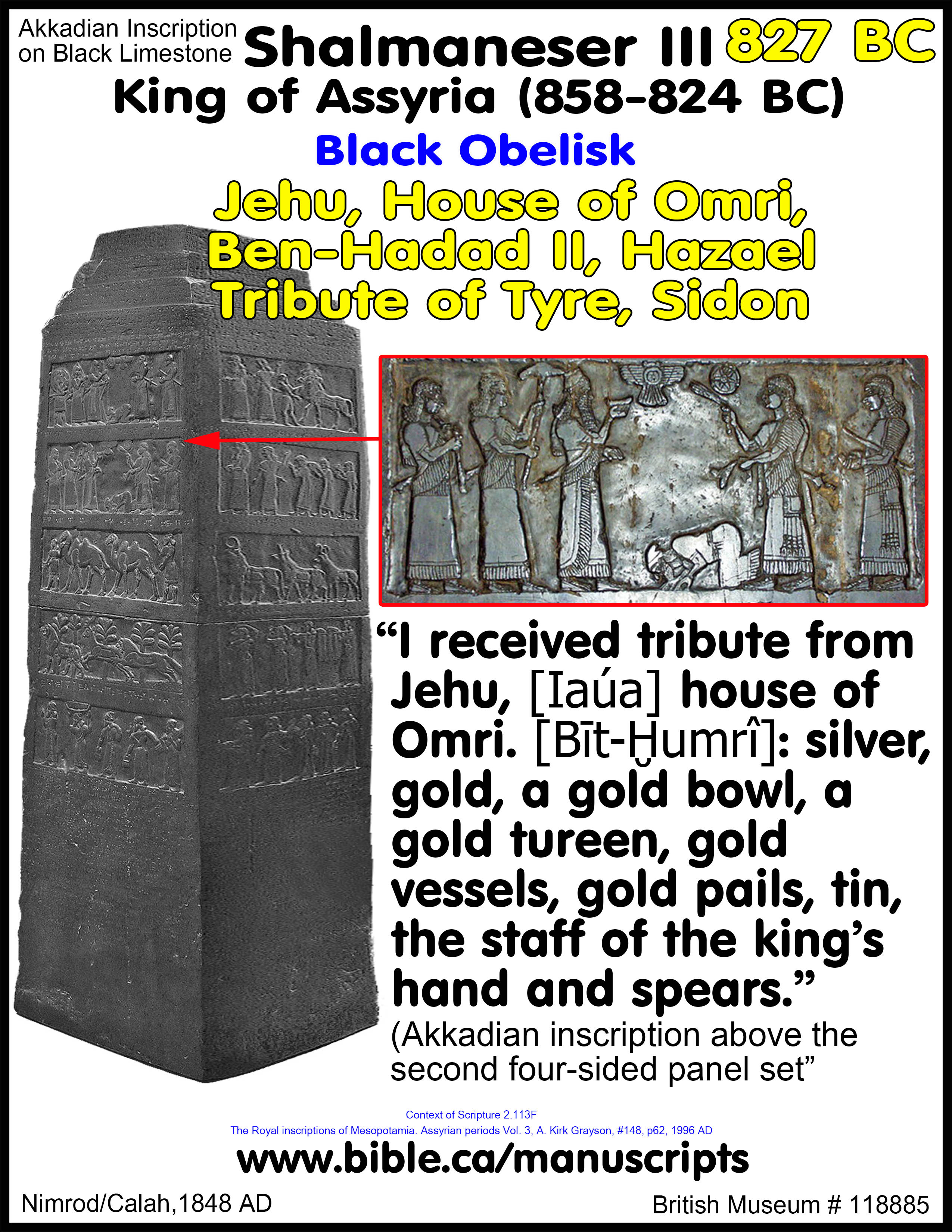
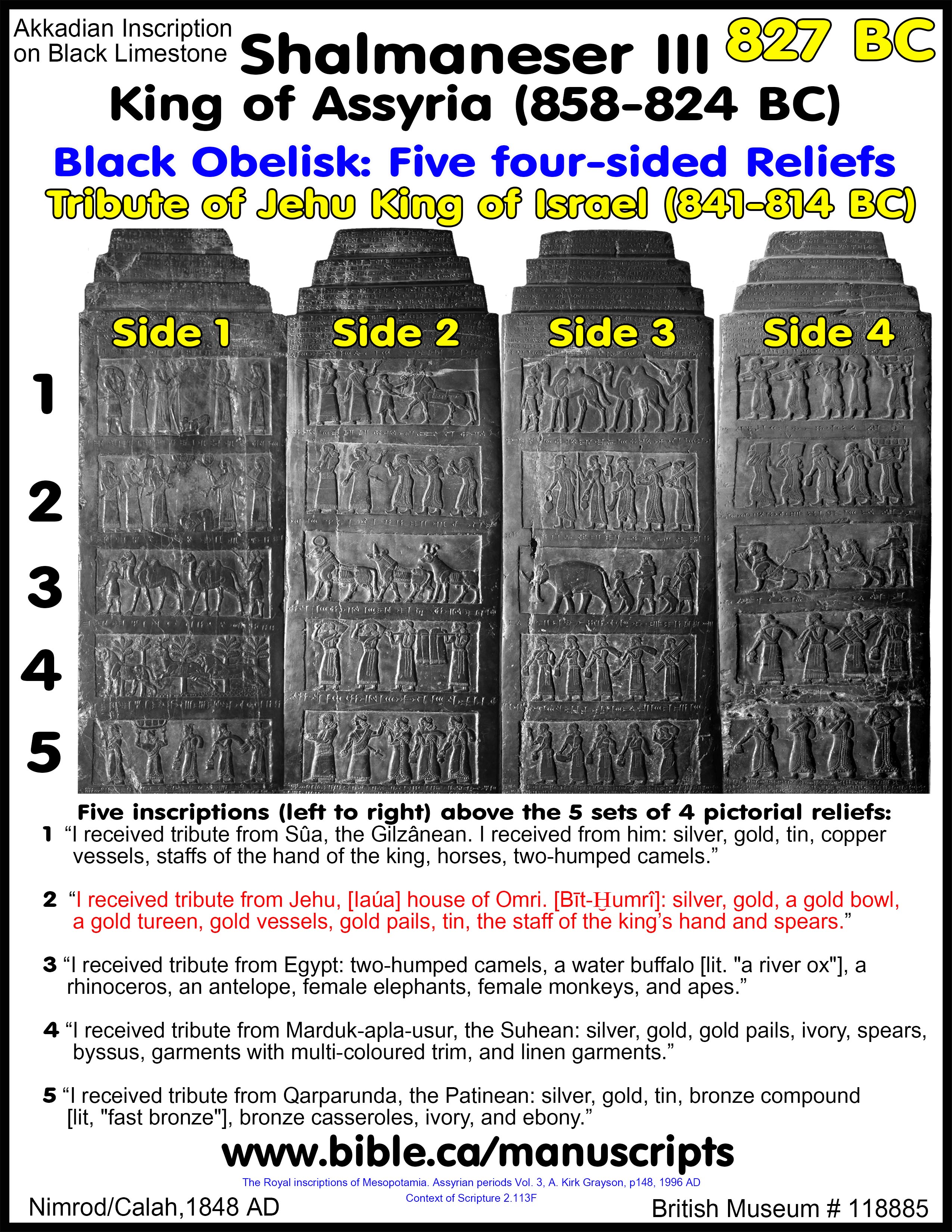
Black Obelisk of Shalmaneser III, King
of Assyria (858-824 BC) names Jehu, House of Omri, Ben-Hadad II, Hazael, Tyre,
Sidon, 827 BC.
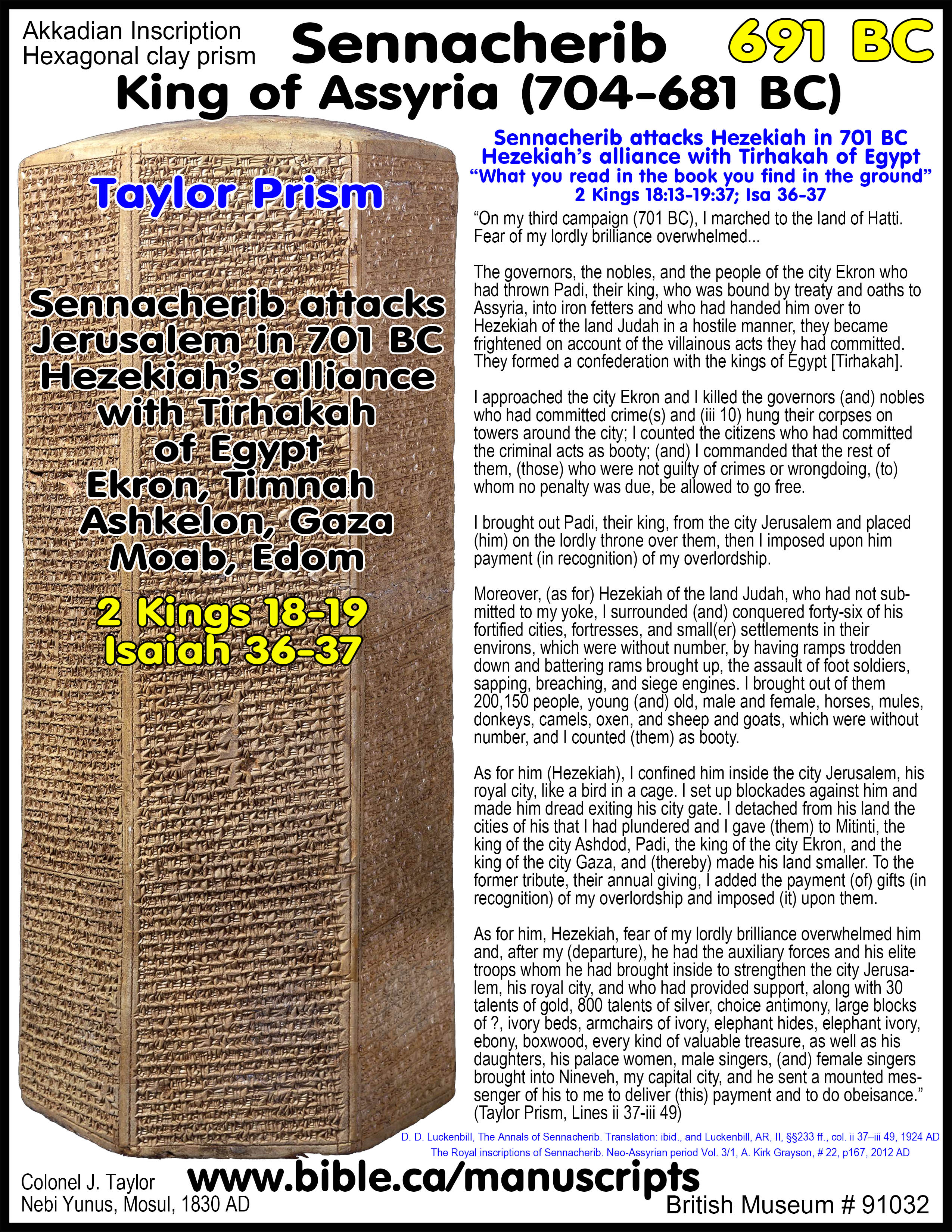
8. Taylor Prism of
Sennacherib, King of Assyria 704-681 BC names Hezekiah.
Dating to 691 BC, it directly confirms 2 Kings 18:13-19:37; Isaiah 36-37.
Sennacherib attacks Hezekiah in Jerusalem in 701 BC when Hezekiah was in
alliance with Tirhakah, king of Egypt. The prism reads, “On my third campaign
(701 BC), I marched to the land of Hatti (Israel). Fear of my lordly brilliance
overwhelmed … As for Hezekiah, I confined him inside the city Jerusalem, his
royal city, like a bird in a cage. I set up blockades against him and (iii 30)
made him dread exiting his city gate. I detached from his land the cities of
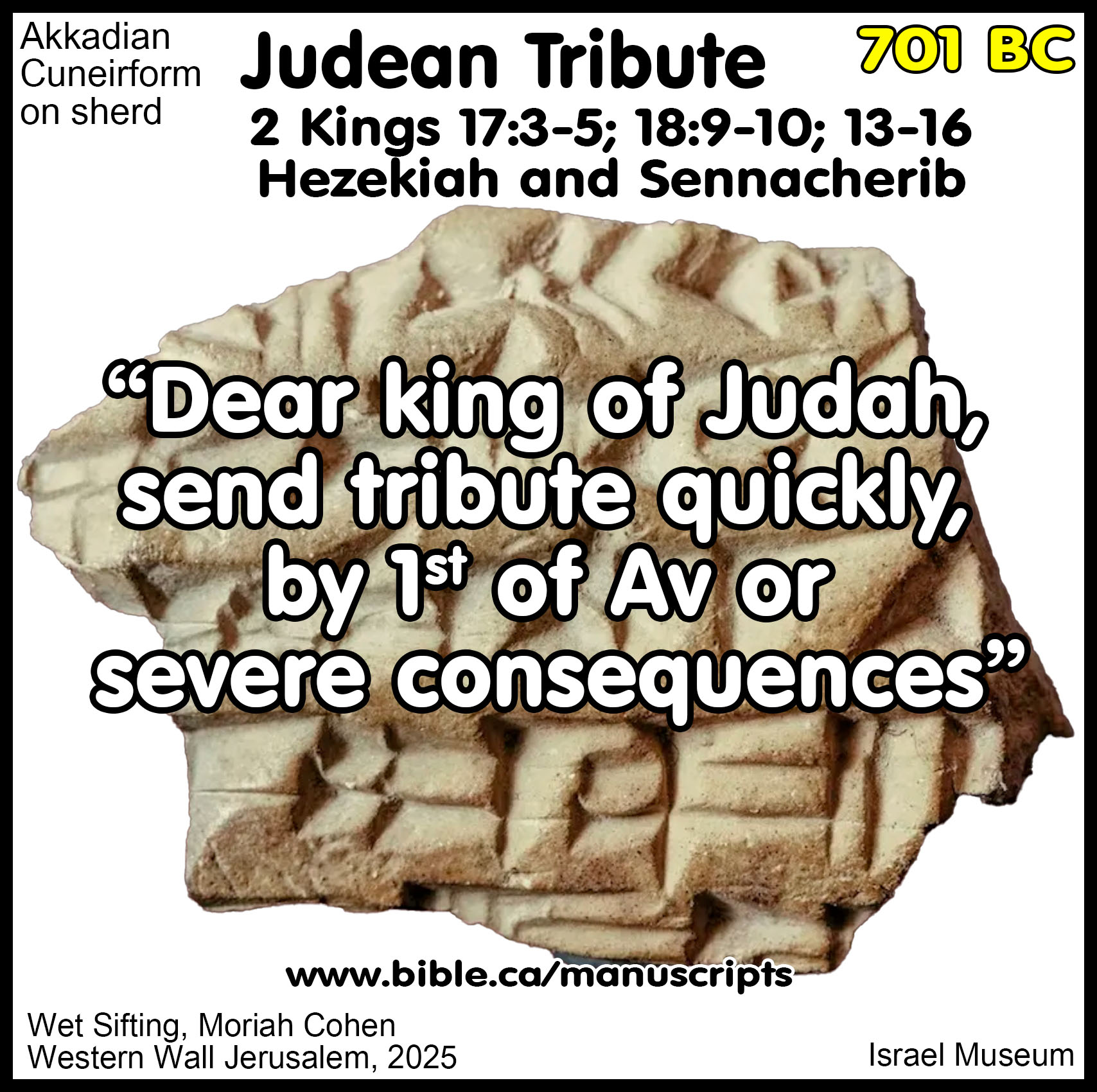
his that I had plundered (Lines iii 27b-37a)”. In 2025 a cuneiform inscription
on a pottery sherd was excavated in Jerusalem near the Wailing Wall. It is from
an Assyrian king to the “king of Judah”, demanding promised tribute by the 1st
of Av or face severe consequences. The dating window is around 700 BC and
Hezekiah would be the best choice when Sennacherib sieged Jerusalem in 701 BC
in 2 Kings 18.
9. Joshuah’s
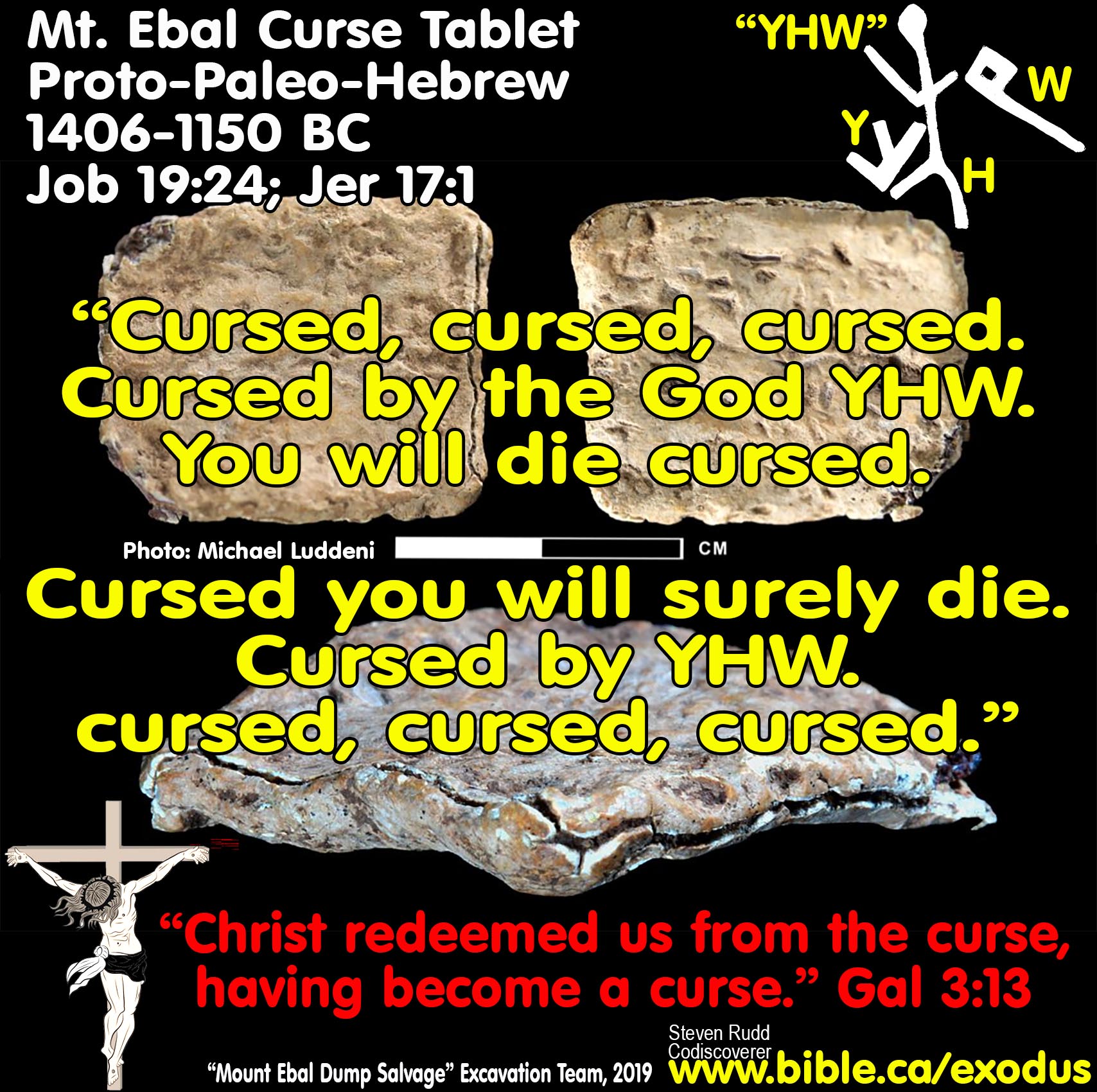
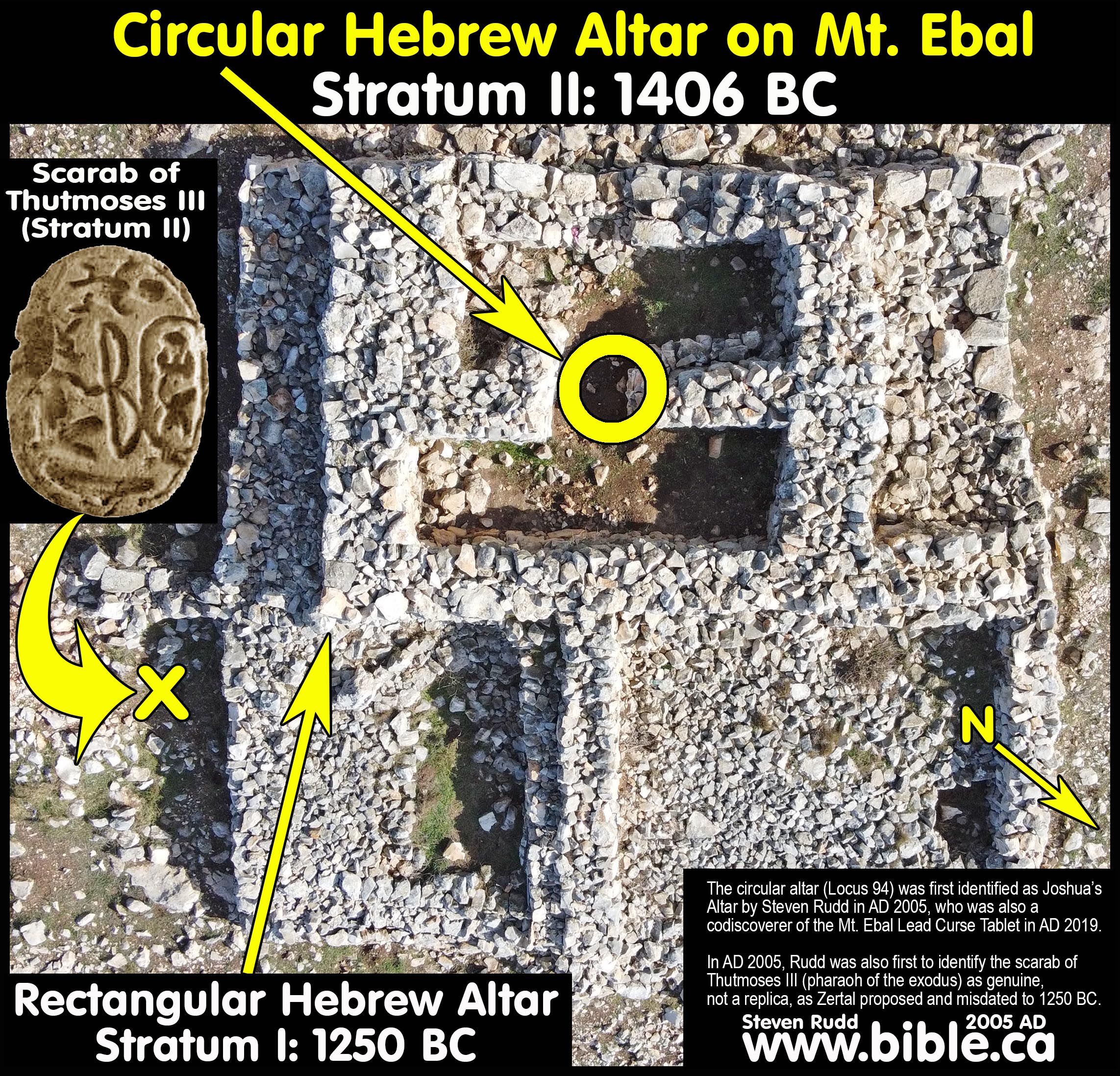
Altar and the Mt. Ebal lead curse tablet uses YHWH God: 1406-1150 BC.
Mt. Ebal Lead Curse Tablet: 1406-1150 BC. The oldest Hebrew text ever
discovered, the three-letter spelling of the name of God “YHW” is widely used
in scripture and in ancient literary sources. The script on the tablet reads
left to right, indicating it dates to before 1100 BC. The discovery of the Late
Bronze Age lead curse tablet on Mt. Ebal, which the Bible identifies as the
mountain of curses, is a Bible skeptic’s worst nightmare because it is an
alphabetic Proto-Paleo-Hebrew script that utilizes a complex and sophisticated
chiastic poetic parallel with 10 curses, to express a legal verdict echoing Gen
2;17, “you shall surely die”, that includes God’s name “YHWH” twice, in
the same format as a contemporary Late Bronze Age Hittite submission covenant,
embedded like a sealed letter inside an folded outer envelope, in the same
time, place, and message as would be predicted by scripture. “That with an iron
stylus and lead they were engraved in the rock forever!" (Job 19:24).
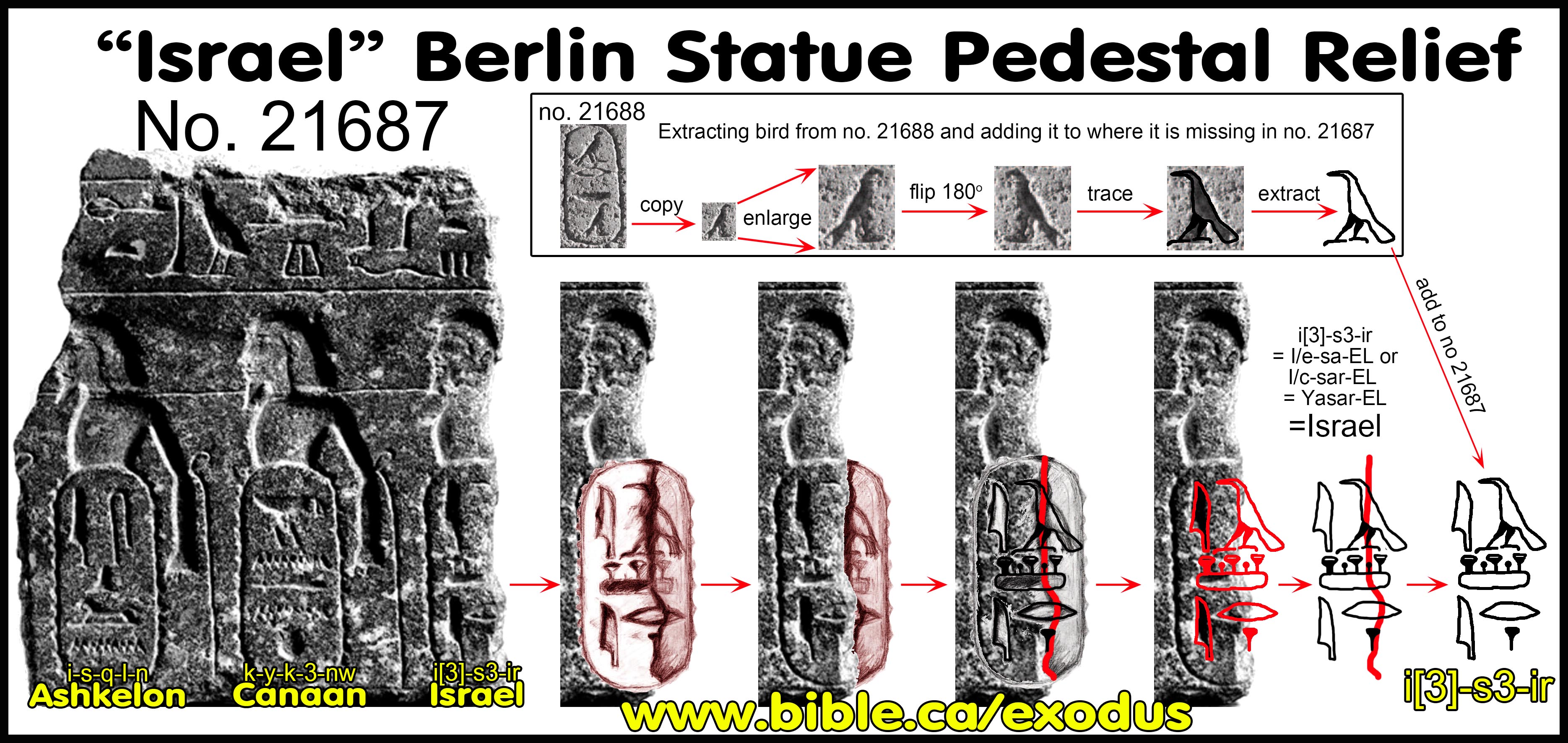
10. Berlin Statue Pedestal Relief names
Israel and dates to between Amenhotep
II (1431-1406 BC) to as late as Ramesses II (1279-1213 BC).
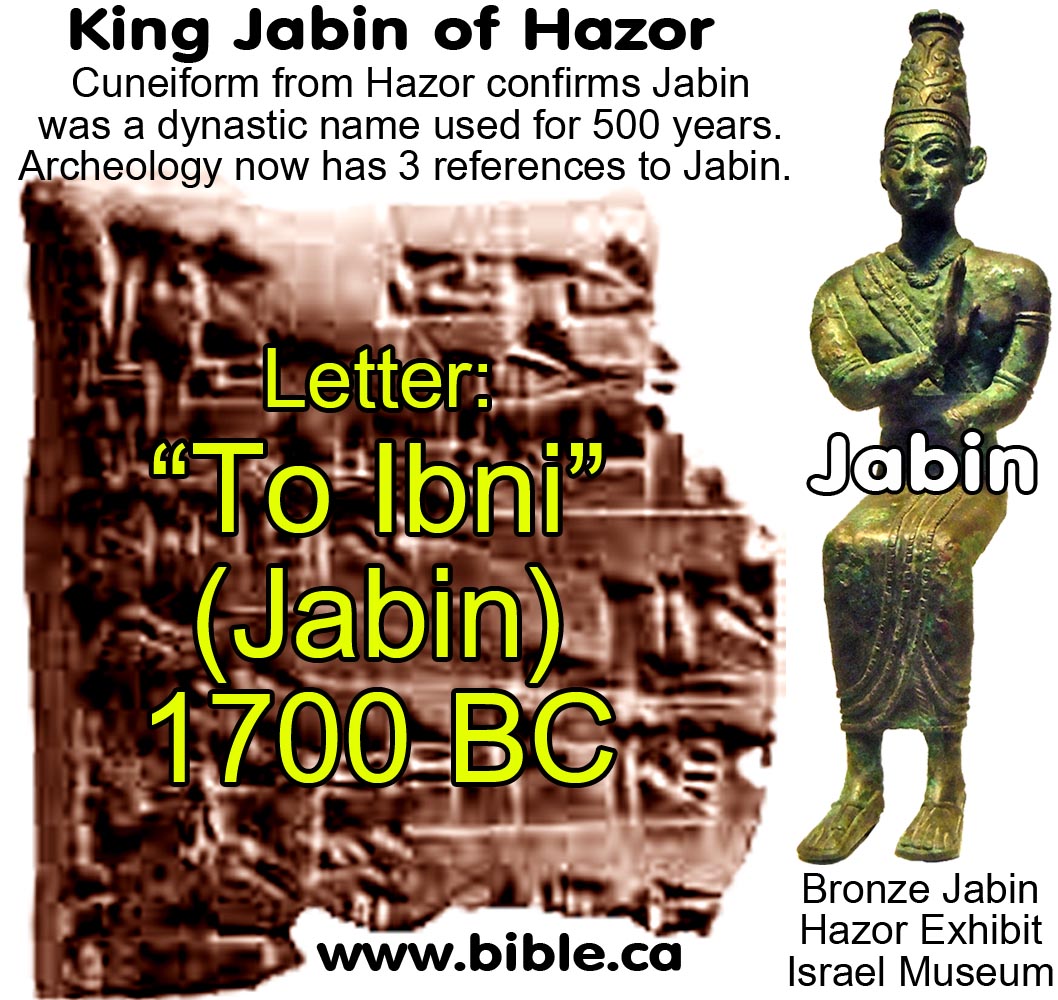
11. The defeat of Jabin of Hazor by Joshua and Deborah: 1700-1200 BC
|
Scripture says that both Joshua and Deborah defeated Jabin two different kings of Hazor with the same name Jabin 200 years apart. This has led Bible scoffers to wrongly conclude the Bible is confused and unhistorical. Today, we have 5 references to Jabin King of Hazor and we now know that Jabin was a dynastic name like Pharaoh or president, as opposed to the personal name. The cuneiform that dates to 1700 BC proves the Bible was right all along and that "Jabin" is a dynastic name for a series of kings rather than the one time use of a single king. |
|
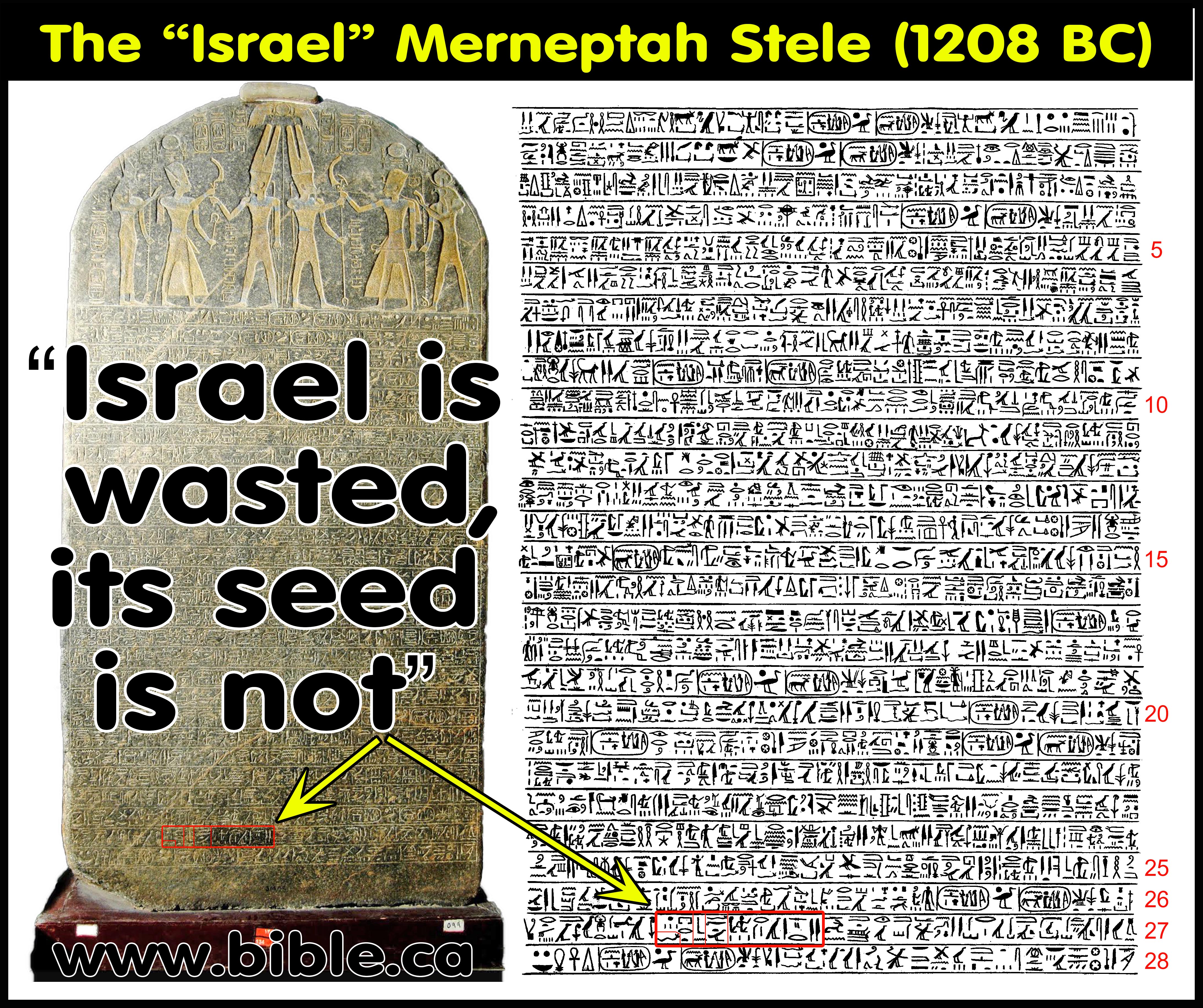
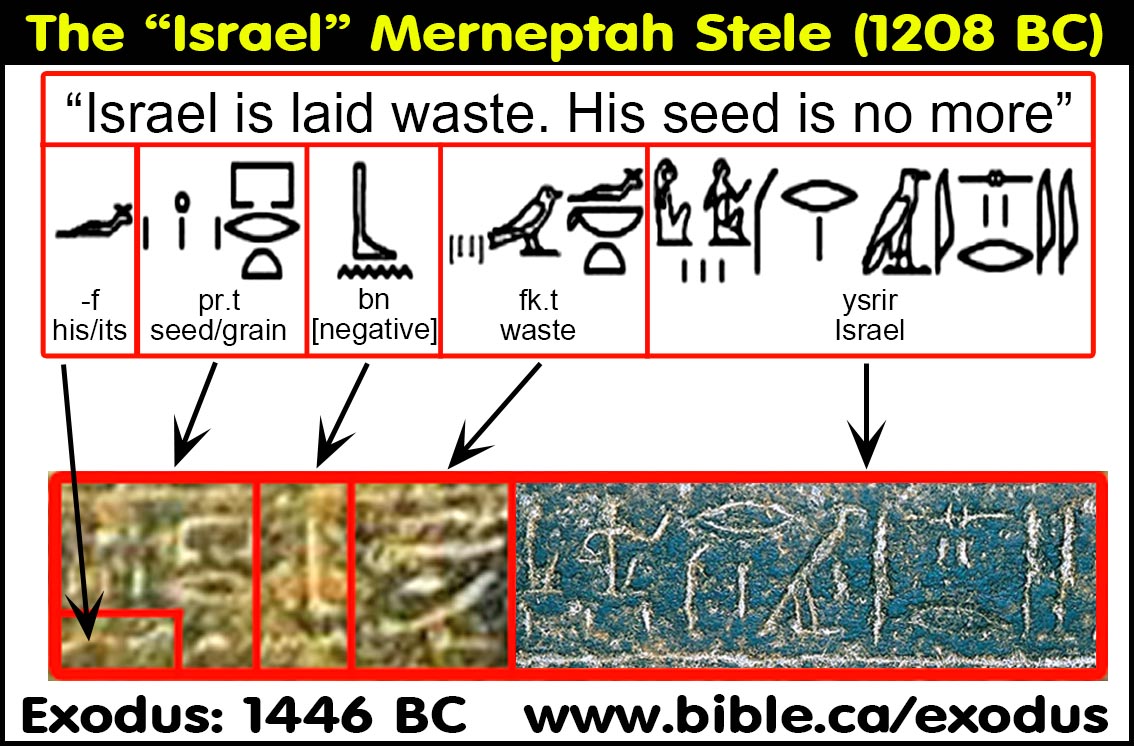
12. Merneptah
Stele reads, “Israel is wasted, its seed it no more”: 1208 BC.
It proves the exodus occurred in 1446 BC under Thutmoses III not Ramses II in
1253 BC. 1253 BC as the “late date” of the Exodus and 1213 BC as the start of
the conquest is impossible. For the sake of argument, let’s assume Ramesses II
was the Pharaoh of the Exodus according to the “late Exodus date” of 1253 BC
and a conquest of 1213 BC. If the Pharaoh of the Exodus is Ramesses II, then
Moses fled to Midian from Pharaoh Seti I (Menmaatre) 1294-1279 BC. If Moses’
fled to Midian in the first year of Seti I's reign in 1294 BC, that means 14
years later he died, and Ramesses II became Pharaoh in 1279 BC and reigned for
a total of 66 years. Since we know that Moses spent 40 years in Midian, this
means the Exodus took place in the 26th regnal year of Ramesses II in 1253 BC.
Since Israel spent 40 years in the wilderness before they crossed the Jordan,
this sets the date of the conquest at 1213 BC, the year Ramesses II died in his
66th regnal year and his son, Pharaoh Merneptah ascended the throne. This means
that Pharaoh Merneptah, who made the "Merneptah Stele", became
Pharaoh the year Israel crossed the Jordan in 1213 BC. Merneptah reigned
1213-1203 BC, for a total of 10 years. We know the Merneptah Stele records the
military campaign of Merneptah in his 5th regnal year in 1208 BC, yet Israel
was not settled enough to be a major world force as the Merneptah Stele clearly
indicates they were. This strongly refutes the late date of the Exodus and that
that Ramesses II was the Pharaoh of the exodus. Therefore, the date of the
Exodus was 1446 BC.
13.
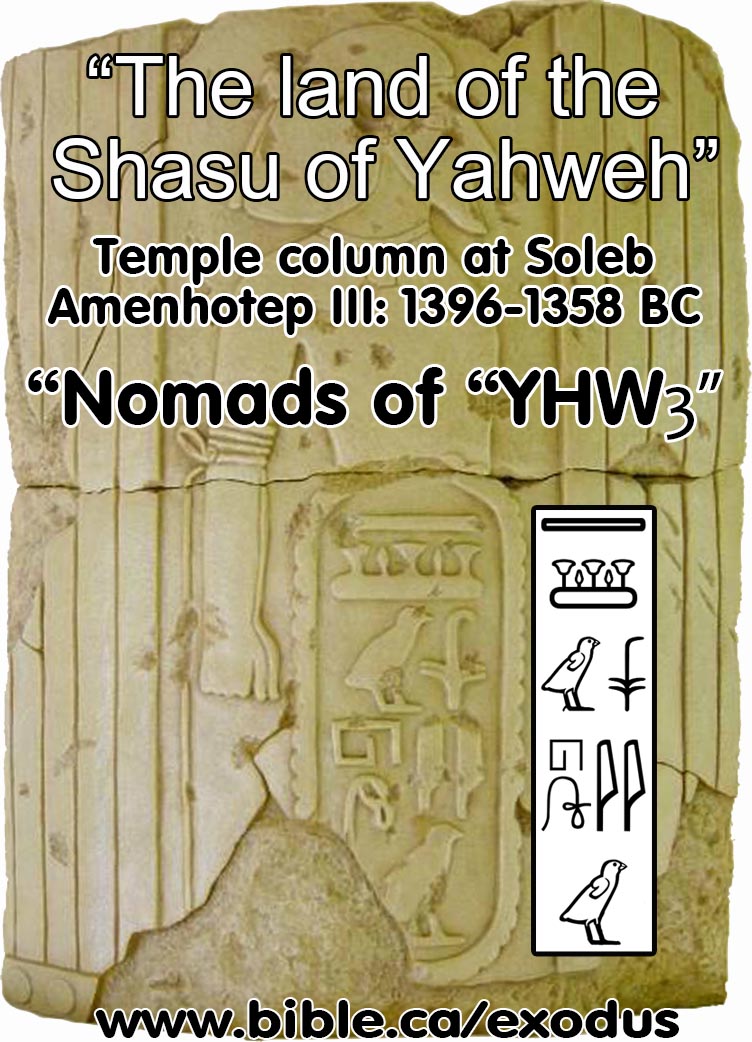
The Soleb Temple Cartouche names Israel: 1396-1358 BC.
The Egyptian inscription on the cartouche reads: The Shashu of Yahweh's Land.
The cartouche is on the wall of the Soleb Temple of Amenhotep III in Nubia.
Here is a reference to the promised land of Canaan possessed by the
"people of Yahweh" when Joshua was still alive after completing the
conquest! The Shasu are a people and generally refers to Semitic-speaking
cattle nomads in the Southern Levant. These nomads worshipped Yahweh.
"This fragmentary hieroglyphic inscription contains one of the first
mentions of Israel. "According to a recently published article by Manfred
Görg, Peter van der Veen and Christoffer Theis, the name-ring on the right may
indeed read “Israel,” and they date it almost 200 years earlier than the
reference to Israel on the Merneptah Stele." (Clyde Billington, Associates
for Bible Research)
14.
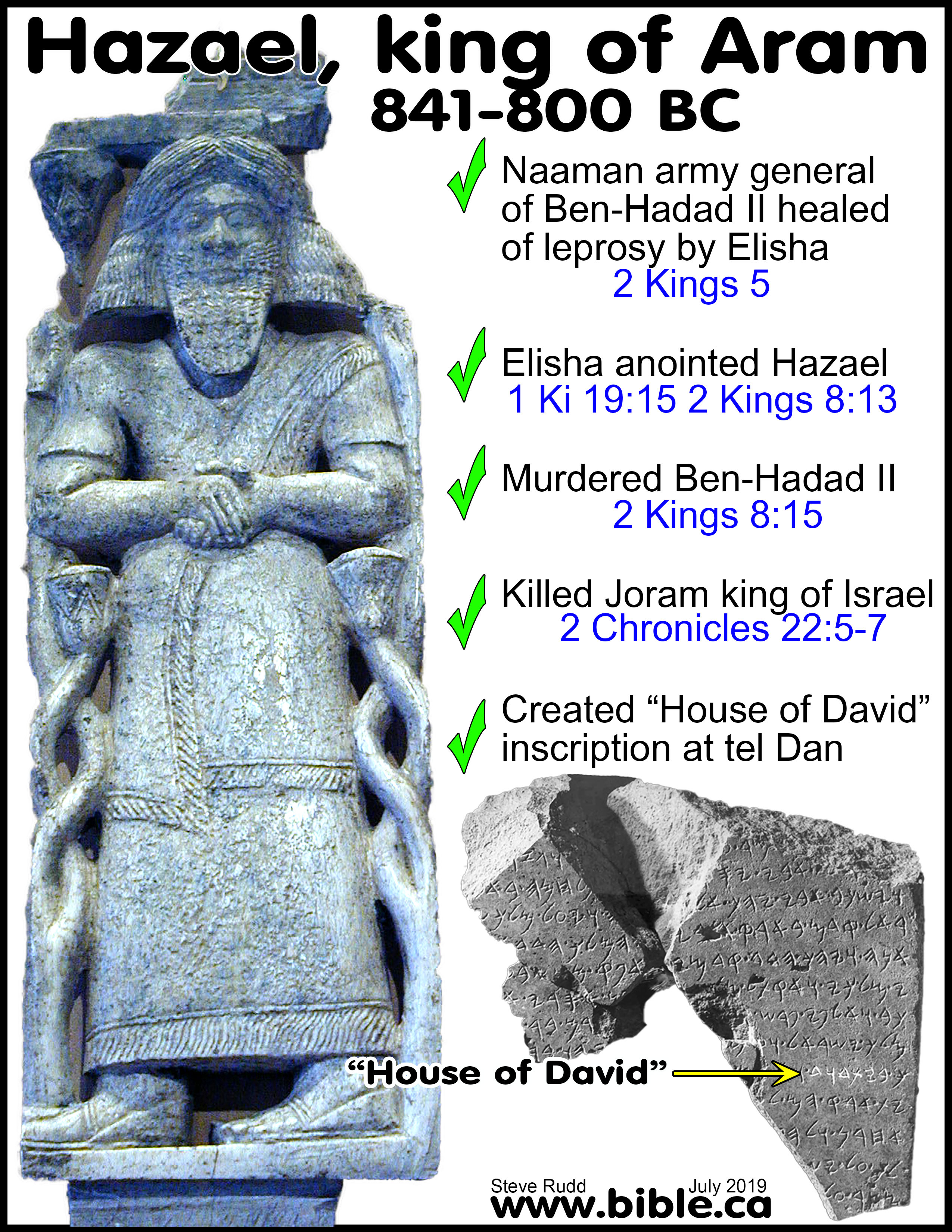
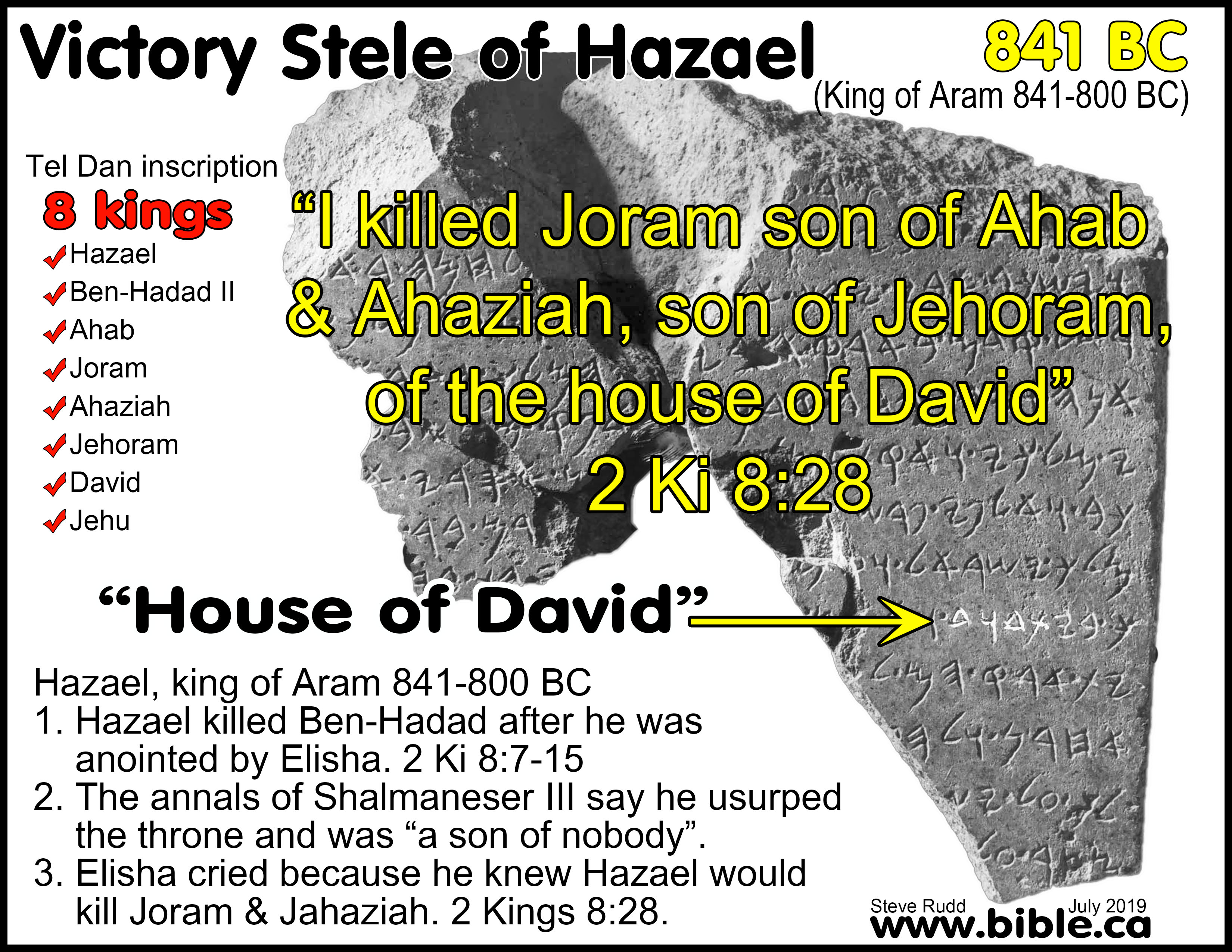
Victory Stele of Hazael, king of Aram (841-800 BC), also known as the Tel Dan
"House of David" inscription, references 8 different kings of the
Bible: Hazael, Ben-Hadad II, Ahab, Joram, Ahaziah, Jehoram, Jehu, David
15. Lachish
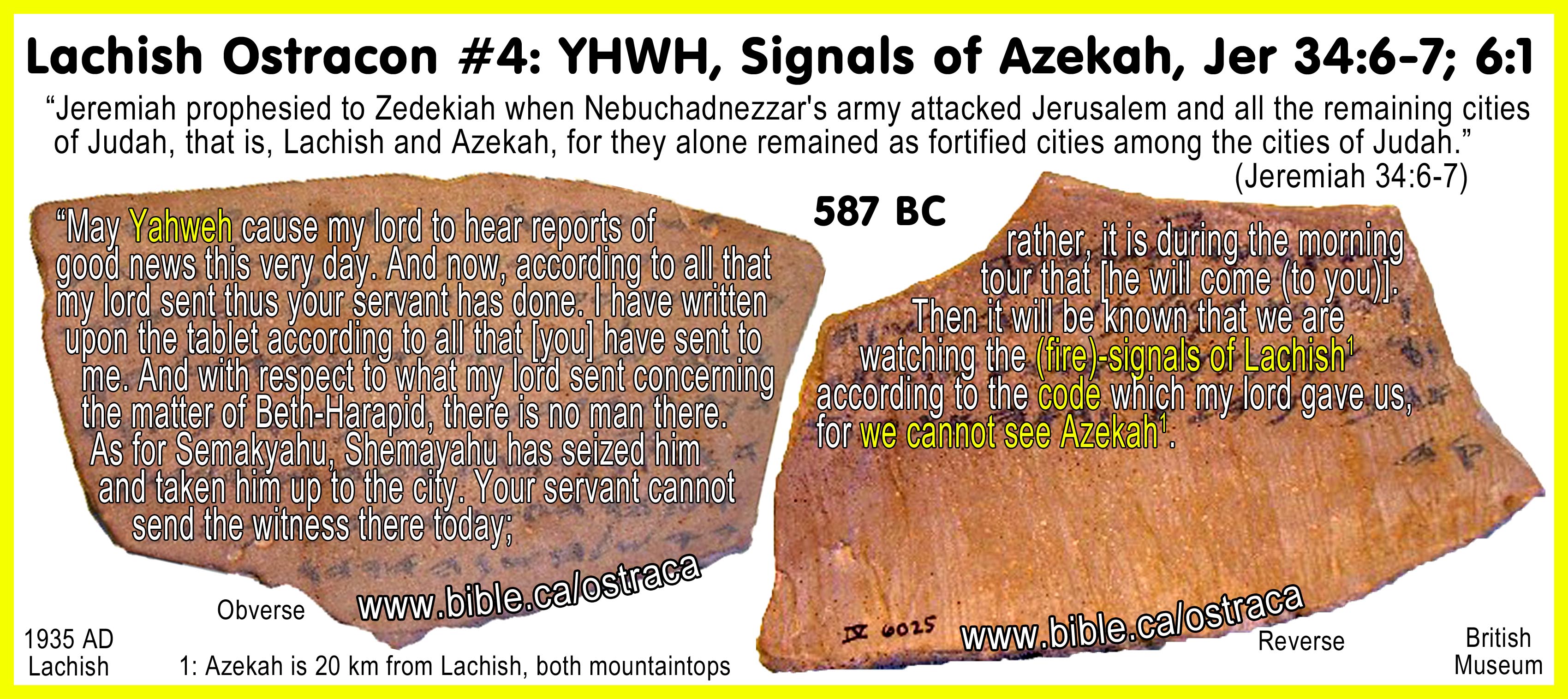
Ostraca confirm Jer 34:6-7; 6:1; 38:1.
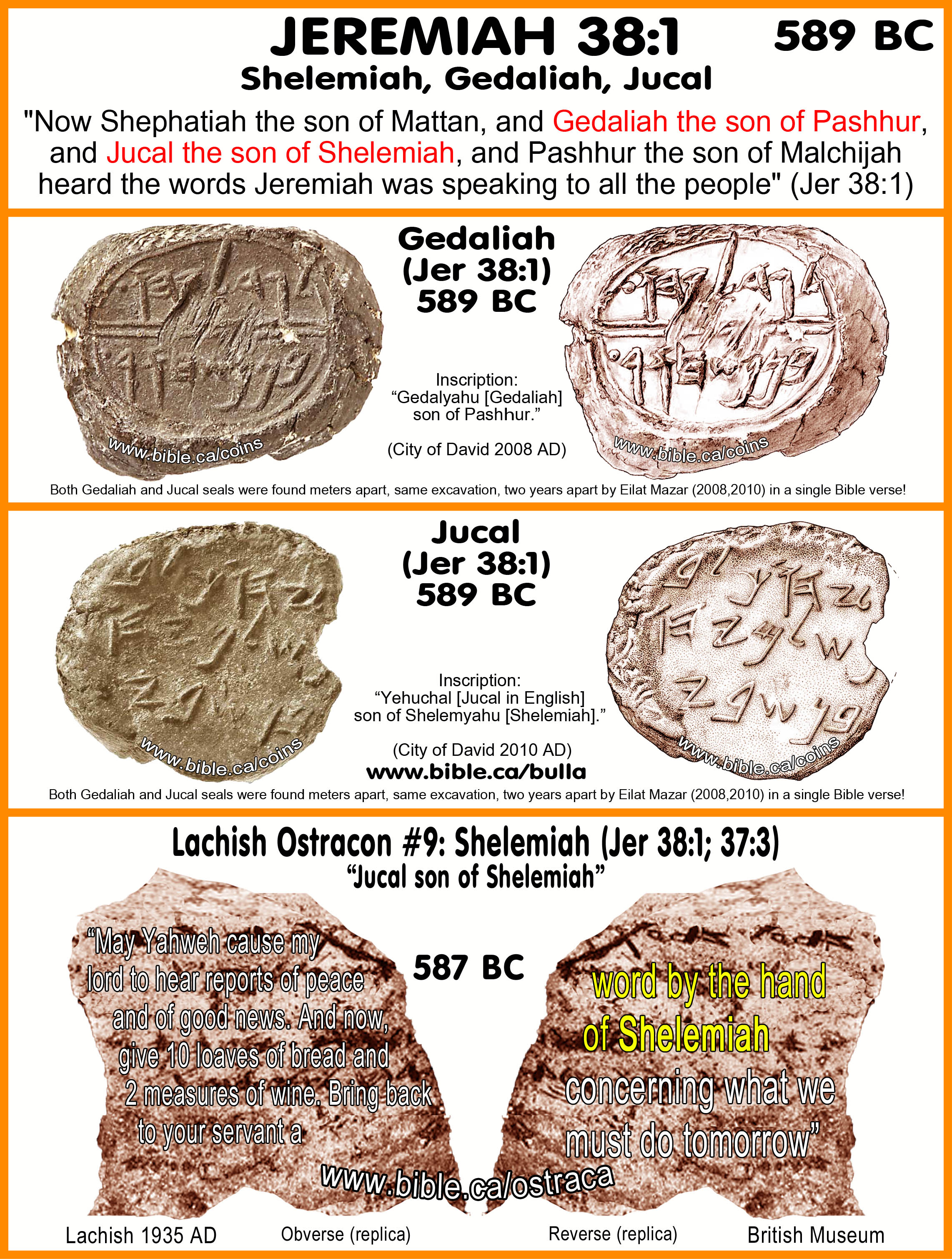
In 1935 an ostracon named Shelemiah from Jer 38:1. In 2008 and 2010, two clay bullae were excavated only a few
meters apart that name two men in a same verse! “Gedaliah the son of Pashhur, and Jucal the son of Shelemiah” (Jer 38:1). Also discovered in 1935, was an ostracon that
confirmed the conquest of Nebuchadnezzar who attacked Judah in 587 BC and
conquered both the cities of Lachish and Azekah, noting "the fire signals
of Azekah are no more". This confirms Jer 6:1 that described how fire
signals were used between hilltops for communication, “raise a [fire] signal over Beth-haccerem; For evil looks down from the north, And
a great destruction."
(Jer 6:1)